
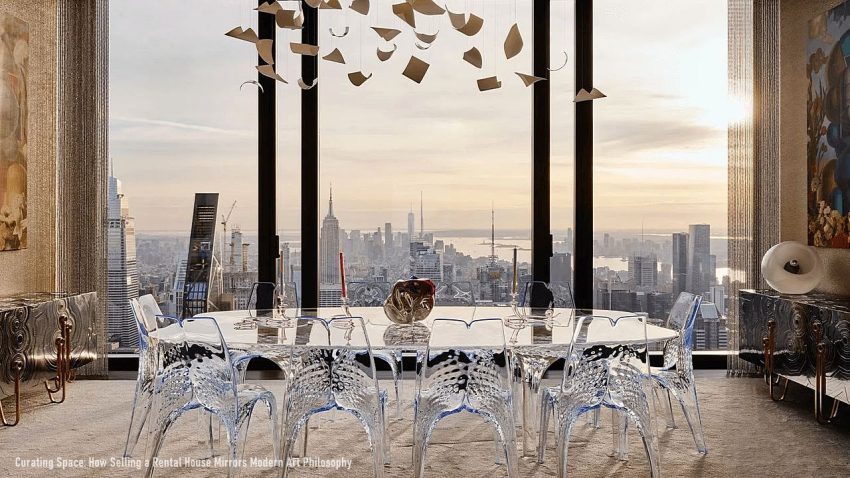
A strong rental property rarely sells on square footage alone. Buyers respond to atmosphere, proportion, restraint, and the quiet logic of how a place presents itself. In that sense, the sale process has more in common with a gallery installation than a standard transaction. Both ask a hard question. What deserves to stay in view, and what needs to step aside so the viewer can see value clearly?
Modern art philosophy offers a useful lens for this process. It prizes intention, editing, contrast, context, and emotional response. Those same ideas shape the way a property moves from lived-in asset to compelling market offering. When owners treat the home as a composed space instead of a storage site for years of habit, the result often feels sharper, calmer, and easier to read. That clarity matters. Buyers make fast judgments, and those judgments often begin long before they discuss numbers.
The Art of Removal

The first lesson modern art teaches is that subtraction has power. A blank wall in a gallery is not empty by accident. It gives the eye room to focus. A sculpture gains force when nothing fights for attention around it. Homes work the same way. Too many objects flatten the impact of the rooms themselves. Too much furniture makes scale harder to judge. Too much personal detail locks the buyer into someone else’s life.
That is why selling a rental house often starts with disciplined removal. Old side tables, extra shelving, mismatched decor, overfilled closets, and forgotten utility items all create visual noise. None of them looks dramatic on its own. Together, they make the property feel crowded and less intentional. Good curation restores breathing room. It lets architecture, light, ceiling height, and floor flow take the lead.
This is not about making a home cold or sterile. It is about giving each room a cleaner point of view. Modern art does this through selection. A property sale does it through editing. The owner who can cut back without stripping the place of warmth usually ends up with rooms that photograph better, show better, and leave a stronger impression after the tour ends.
Negative Space Creates Value
Negative space is one of the most important ideas in modern visual thinking. Designers, painters, and curators all use it to shape perception. What sits around an object changes how the object feels. The open area around a chair, a table, or a window can make the whole room seem more expansive, more elegant, and more deliberate.
In real estate, negative space helps buyers imagine ownership. When every corner is filled, the home feels finished in the wrong way. It feels claimed. Buyers stop picturing their routines, their furniture, and their future plans. They start reacting to someone else’s clutter pattern. That weakens emotional connection. A more open room, by contrast, acts like an invitation.
This is one reason minimal staging often outperforms over-staging. A few pieces can define function. Too many pieces define limitations. The strongest presentation gives shape without giving orders. It suggests possibility. That balance is central to modern art and highly effective in property marketing. Space itself becomes part of the message.
Context Changes Meaning
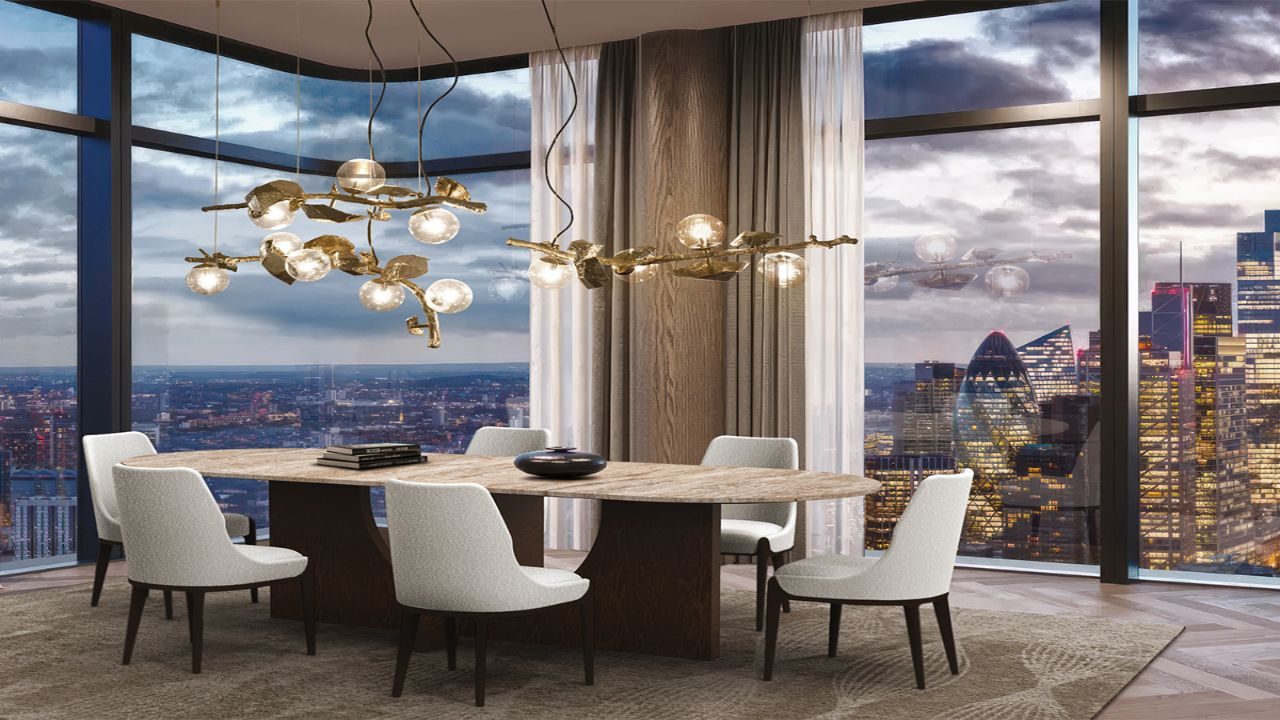
Modern art rarely exists in isolation. The room, the lighting, the arrangement, and even the order in which a viewer sees the work affect interpretation. A property sale operates the same way. A house is never judged only on its own details. Buyers read it through context. They notice the street, the neighboring homes, the landscaping, the entry sequence, and the tone set before they ever reach the kitchen.
This is why curb appeal matters so much. The exterior is not a side note. It is the opening statement. If the yard feels neglected, if the entry feels dim, or if the front elevation lacks definition, buyers carry that feeling indoors. Modern galleries know the power of first framing. The best property sellers do, too. They shape the approach, not just the rooms.
Context also includes story. A rental house may have practical strengths that deserve sharper presentation. Good income history, low-maintenance updates, stable tenant appeal, strong storage, or a location near demand drivers can all matter. But those facts land better when the house itself feels coherent. Buyers absorb numbers more confidently when the physical environment already suggests order and care.
Material Honesty Matters
A major thread in modern art philosophy is honesty of material. Artists often let steel look like steel, wood look like wood, and concrete look like concrete. They avoid false ornament when the raw surface already has character. In property presentation, this idea translates into a simple rule. Stop hiding the home behind weak cosmetic fixes that call attention to themselves.
Buyers notice shortcuts. Poor patchwork paint, trendy but flimsy hardware, cheap peel-and-stick finishes, and exaggerated decor choices can weaken trust. A cleaner strategy is to present solid materials well. Refinish the hardwood if needed. Clean the tile grout. Repair damaged trim. Replace what is clearly tired. Then let the real surfaces speak. Confidence grows when the house feels direct and well kept.
This approach also protects the tone of the sale. Modern taste tends to favor calm, clean, and grounded interiors. Buyers do not need theatrical upgrades in every room. They need signals of quality and maintenance. A property that feels materially honest suggests lower friction after closing. That perception can influence both speed and price.
Composition Directs the Eye
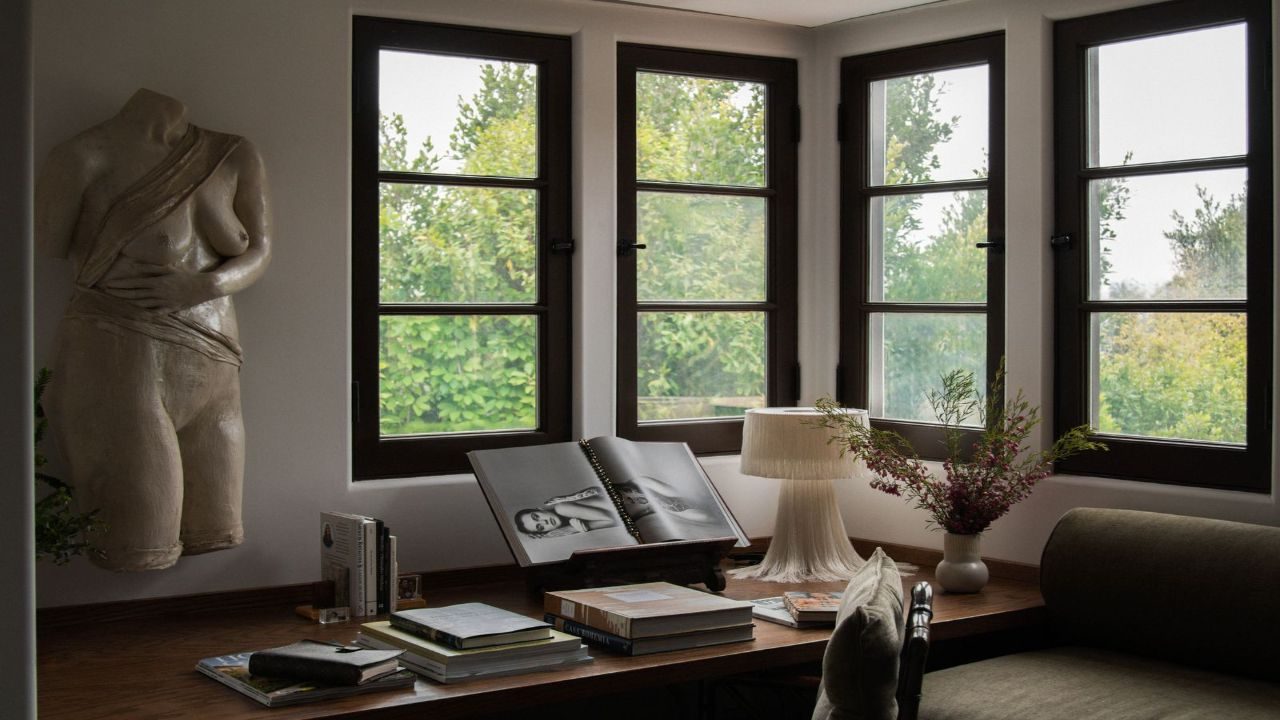
Every successful artwork guides attention. Even abstract work has rhythm, weight, and direction. The viewer may not describe those elements in technical terms, but they feel them immediately. Property styling works the same way. The eye needs guidance. When buyers enter a room, they should know where to look first, what anchors the scene, and how the room functions.
That is why layout matters as much as decor. A sofa that blocks a natural path can make the room feel awkward. A dining table that is too large for the space makes the room feel smaller than it is. A bedroom with too much furniture feels less restful. Good composition fixes these problems. It respects scale, sightlines, and balance. It creates rooms that read quickly and positively.
Photography depends on this. So do showings. Buyers often form strong reactions in seconds. A composed room helps them process the home without effort. That ease is valuable. Modern art often rewards careful looking, but it also knows how to create instant impact. A smart property presentation does the same. It offers a clear first read, then rewards closer attention.
A Sale Is Also an Interpretation
Curators do not simply place objects in a room. They make arguments through arrangement. They highlight relationships, tensions, and themes. Selling a property calls for a similar mindset. The seller is not inventing a false story, but they are choosing which truths receive emphasis. Is the home best read as a quiet retreat, a sharp investment, a flexible family property, or a design-forward space with strong natural light? That framing affects every decision.
This is where many sellers go wrong. They show everything and explain nothing. They assume buyers will assemble the meaning on their own. Some will not. A stronger strategy presents the house with a point of view. That point of view should appear in the listing photos, room styling, descriptive language, and showing experience. It should feel natural, not forced. But it should still be present.
Modern art philosophy can help here because it values intentionality over noise. It reminds sellers that presentation is not decoration alone. It is interpretation. The home still needs sound pricing, smart timing, and market awareness. But the physical and emotional reading of the space shapes how those practical pieces land. In a crowded market, the better-composed property often feels more memorable, more credible, and more worth pursuing.
Why Curation Wins
A rental house can easily carry the visual residue of utility. Years of practical use often leave behind habits that make sense for management but do little for presentation. Modern art philosophy offers a correction. It pushes the seller to edit harder, frame smarter, and trust simplicity. That shift can turn an ordinary listing into one that feels considered and confident.
The value of curation lies in precision. Buyers do not need more information thrown at them through clutter, filler furniture, or decorative excess. They need a home that feels legible. They need to sense proportion, possibility, and care. When a seller treats the space like a thoughtful composition, the house becomes easier to appreciate and easier to remember.
In that way, the comparison to modern art is more than a clever metaphor. Both disciplines rely on selection, restraint, and atmosphere. Both shape perception through space. And both prove the same point. What you remove can be just as powerful as what you leave behind.