

Galleries have a reputation for permanence. A well-established space builds its identity into the walls: collectors know where to park, critics know the lighting, regulars know which corner catches the afternoon sun. But galleries do move, sometimes because a lease ends badly, sometimes because a better space opened up across town, and sometimes because the neighborhood has shifted beyond recognition. In the GTA, where commercial real estate has moved faster than most markets, a gallery looking for reliable logistical help often turns to Special Force Movers in Ontario & GTA for exactly this kind of high-care relocation.
The operational side of a gallery move is more complex than most owners anticipate, and the list of what to know before moving your business office to a new location applies equally whether you’re relocating a consulting firm or a space with forty rotating works of contemporary art. Insurance riders, vendor notifications, utility transfers, signage permits: none of it disappears just because the inventory happens to be valuable and fragile. The category changes; the logistics don’t.
Why Galleries Relocate in the First Place

Most gallery moves aren’t impulsive. They follow years of quiet tension: a landlord who refuses to upgrade HVAC, foot traffic that peaked in 2019 and hasn’t returned, a rival space three blocks away with better street presence and a loading dock. The economics are usually the trigger, even when the official explanation is “finding a better fit for the program.” Rents in gallery-heavy districts have climbed steadily, and smaller spaces have had to choose between absorbing the increase or relocating to emerging neighborhoods where a five-year lease is still negotiable.
There’s also the matter of program growth. A gallery that started with six-week solo shows may, a decade later, be running a residency, a reading room, and a storage annex that eats into exhibition square footage. Moving becomes less a retreat and more an expansion, which changes how the decision gets framed both internally and to collectors. A gallery that announces a move as a downgrade loses credibility it took years to build. One that frames it as a growth decision, and then proves it with the first show, gains a more durable story than any press release can provide.
Planning the Physical Move with the Right Help

The physical relocation of artworks is not something a general moving company handles well. The requirements are specific: climate control during transit, custom crating for large or irregular pieces, and careful documentation of each object’s condition before and after the move. Insurers require it. So do most consignment agreements. A gallery director who encounters these requirements for the first time on moving day has already made a costly mistake.
What separates a routine commercial move from an art-specific one is mostly in the pre-move documentation and the handling protocols. Movers who work regularly with galleries maintain condition reports on every piece, use acid-free packing materials, and load vehicles in a sequence that mirrors the unload plan. The National Endowment for the Arts has documented how artist studios and gallery spaces in former warehouse districts developed informal systems for moving work carefully across city blocks, systems that professional fine art movers later formalized into standard operating procedure.
Documenting and Insuring the Collection During Transit

Standard commercial moving insurance doesn’t cover fine art adequately. The valuation method is the problem: most general policies reimburse based on depreciated replacement cost, which means a sold-out work from a mid-career artist might be compensated at a fraction of its current market value. Art-specific riders or standalone transit policies use agreed value or scheduled value instead. The premium difference is real, but so is the coverage gap between them.
Documentation isn’t only an insurance requirement. It protects against disputes with consignors who may claim, correctly or not, that work was damaged in transit. Condition reports prepared before packing, photographs of each piece in its crated state, and signed handoffs between the gallery and the moving team create a defensible paper trail. This is tedious to set up the first time. Galleries that move twice tend to have the system running automatically by the second relocation. It also gives consignors confidence that their work is receiving the same professional care they would expect from an institutional loan. The paperwork burden shrinks when the protocols are already written.
The Administrative Transition: Registrations, Records, Notifications

A gallery is a business, and a business that changes its address has a long list of notifications to work through. Vendors, insurance providers, local arts councils, and government registries all need updating. The U.S. Small Business Administration outlines exactly who needs to be notified when a business changes address, and the list is longer than most owners expect: state agency registrations, federal tax records, business credit files, and directory listings that feed into organic search results.
For galleries operating in Canada, the provincial business registry process runs through similar channels, though the specific agencies differ. In Ontario, address changes flow through the Ministry of Public and Business Service Delivery. A gallery that skips this step may find its old address populating directory searches for months after the physical move. A low-stakes error in isolation, but compounded across twenty listing sources, it quietly erodes discoverability. Handling registrations at the outset, rather than as an afterthought six weeks later, reduces remediation work considerably.
Reopening: Making the New Space Worth the Move
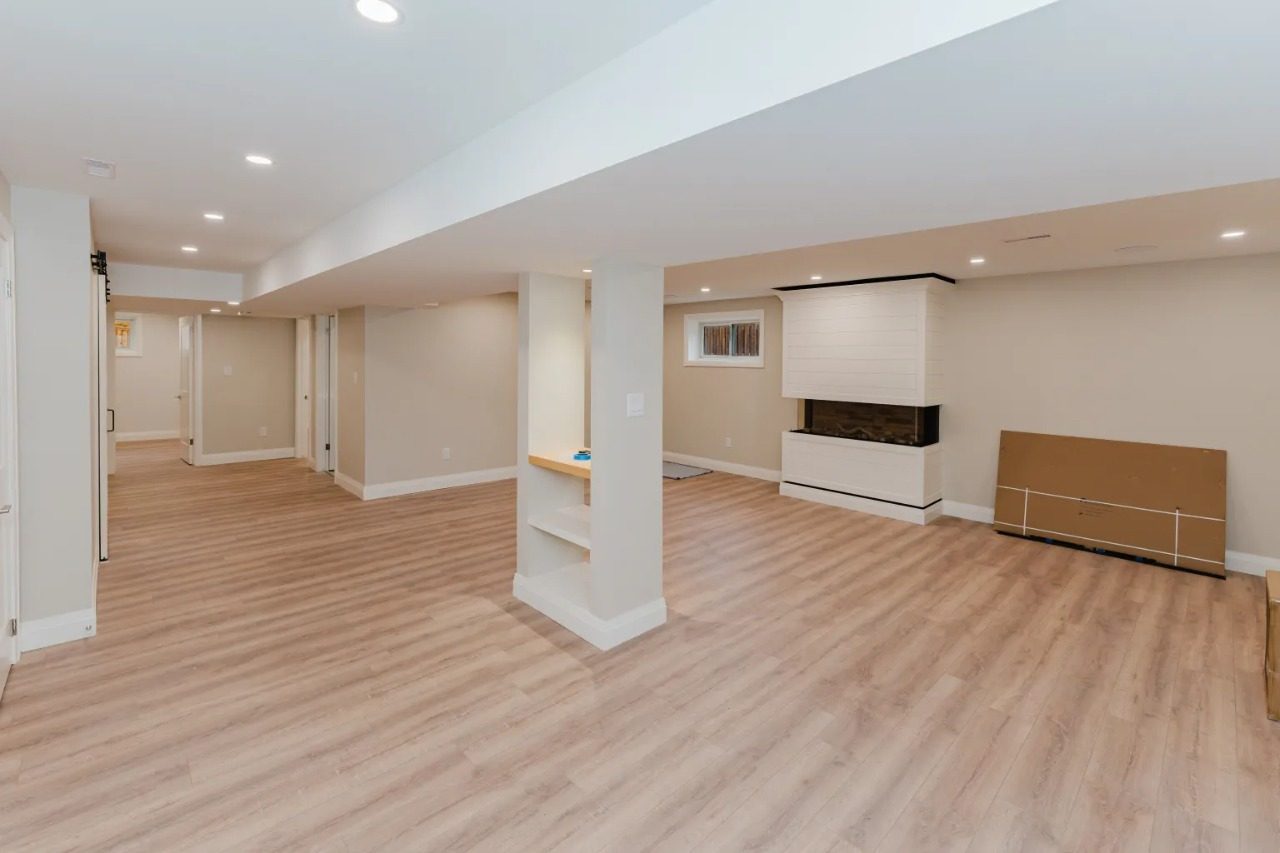
The first exhibition in a new location carries more weight than a typical show. It signals to collectors, critics, and regular visitors that the gallery hasn’t merely survived the move but landed somewhere better. This is the argument the gallery has to make visually, immediately, before anyone reads the program notes or the press release. An opening that doesn’t use the space well sends the wrong message, regardless of how strong the work itself is.
Programming choices matter here more than strictly curatorial ones. A gallery that opens with a difficult, non-commercial work is signaling confidence: the space can support that kind of risk. A gallery that opens with its most reliable seller is hedging, and experienced collectors notice. The new space itself should be used in ways that weren’t possible in the previous location. Different ceiling heights, better natural light, more flexible partitioning: if the new space doesn’t offer something the old one couldn’t, the move has no visual argument. The first show has to make that case plainly, without explanation.