
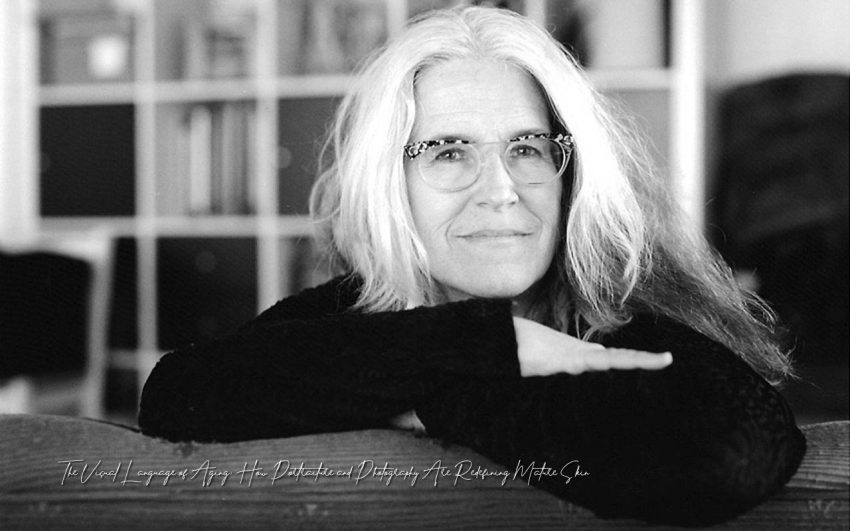
The way artists portray older faces has shifted more in the last two decades than in the previous two centuries. Paintings once glorified youth and smoothed away lines like unwanted brushstrokes. Now, photographers aim their lenses at wrinkles, age spots, and translucent skin the way earlier painters studied the ripple of silk. The shift matters because it changes how ordinary people see themselves in the mirror. And it has quietly reshaped an entire corner of beauty culture, including brands like https://luminederm.com/ that build their products around the idea that mature skin deserves attention, not disguise.
Visual artists tend to notice shifts in cultural mood before the rest of us do. Portrait photographers working today are less interested in flawlessness than in what skin can tell you. A forehead crease is information. A cluster of sun spots has a history. According to the National Institute on Aging, visible skin changes are a mix of genetics, sun exposure, and decades of facial expressions, which means every face is essentially a long visual record. That idea, that a face is a document, is powering a new generation of work in galleries and magazines.
The Quiet Rise of Skin as a Subject
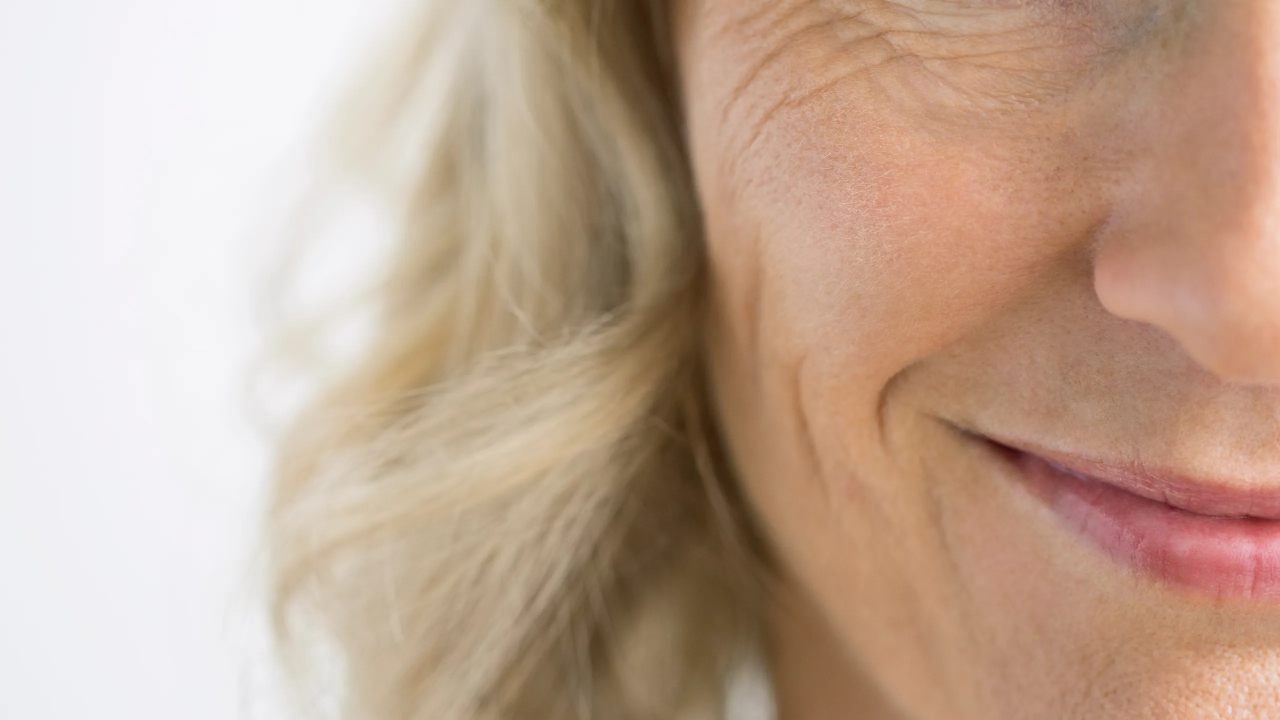
For a long time, mainstream beauty imagery worked by subtraction. Retouching removed pores, softened creases, and evened out tone until the face looked closer to a doll than a person. Something changed in the mid-2010s. Magazines began running unretouched covers. Gallery photographers leaned into close crops of older faces. The result was a new visual vocabulary where skin texture became a feature, not a flaw.
This affects more than art theory. It also changes what people buy, ask for, and expect from their bathroom shelves. The practical side of this shift shows up in the rise of specific, targeted routines, such as skincare for ageing skin, which treats lines and pigmentation as things to care for rather than disguise. The through-line connecting the gallery wall and the skincare aisle is the same: older skin is worth looking at carefully.
Portrait Photographers Who Changed the Frame
A handful of photographers deserve credit for pushing mature skin into serious visual culture. John Coplans spent the last two decades of his career photographing his own body in unflinching black-and-white close-ups. His hands, his back, his neck. The images forced viewers to sit with an older body as subject rather than cautionary tale. More recently, Hiromi Tsuchida documented his own face almost daily for 36 years, producing roughly 13,000 self-portraits that track micro-changes most people never notice on themselves.
These projects aren’t nostalgic. They operate like evidence. Time is doing something specific to this face, and here is what it looks like. When you view dozens of these images in sequence, the usual framing of aging, as loss or decline, stops working. What replaces it is something closer to geology. A face is a surface on which decades of weather have done their patient work.
A smaller but growing group of gallerists has leaned into this approach as well. Group shows like “The Invisible Age” at LensCulture brought together 31 women photographers aged 50 to 65, each using self-portraiture to push back against the cultural habit of making older women disappear from images altogether.
What Skin Actually Does as You Age

The shift in artistic attention tracks closely with what dermatology has been saying for years. Skin loses collagen and elastin at a steady rate after roughly age 25. The American Academy of Dermatology notes that sebum production slows and the lipid barrier grows less efficient at holding moisture, which is why mature skin often looks thinner and more papery than younger skin. Add decades of cumulative sun exposure and the pigmentation becomes uneven, with flat brown patches appearing on cheeks, hands, and décolletage.
None of this is mysterious, but photographers and painters often catch these changes before dermatologists name them. A portrait will show you the translucency before a textbook discusses it.
Aging in the Frame Versus Aging in the Mirror
Here is a preference I’ll admit to. I find the current wave of mature-skin photography more honest than either the smoothed-out Vogue look or the shock-value close-ups that magazines ran in the early 2000s. The best recent work sits somewhere in between. It shows skin as it is without staging it as tragedy or trophy. That middle ground is also, not coincidentally, where most people actually live.
It matters because photography is a teacher. The images we see shape how we look at ourselves in the bathroom mirror. If every face in your feed has been smoothed to porcelain, your own face will look wrong to you. If the faces you see have been photographed with care and texture intact, your own face gets easier to recognize and easier to live with.
Where Galleries and Skincare Meet

It might sound strange to connect art criticism to a moisturizer routine, but the two scenes are closer than they look. A gallerist choosing a portrait that shows age spots is making a claim. This is a valid subject, worthy of attention and care. A dermatologist designing a serum for mature skin is making a claim that looks almost identical. This skin deserves specific attention rather than a generic anti-aging promise. Both are saying the same thing in different languages.
That is why artist-led campaigns around aging have gotten more traction in the last few years than any amount of traditional anti-aging marketing. Viewers are tired of being told their faces are a problem to be solved. They are ready to be told their faces are a surface to be understood. The overlap between serious portrait photography and thoughtful skincare is one of the more interesting quiet alliances happening right now, and it’s not going away.