
Injection molding has long served as the backbone of high-volume manufacturing, creating the parts that power everyday life. From medical devices to automotive panels, its impact spans nearly every industry. Yet beyond its industrial utility lies a quiet elegance. The method’s precision, repeatability, and potential for intricate form have made it an unexpected ally to artists and designers alike. As companies like Beyonics continue to innovate in precision engineering, the boundaries between engineering function and aesthetic purpose grow increasingly blurred.
Today, artists are exploring the very same processes used to create injection molding products in construction and applying them to sculpture, installations, and design pieces. What began as a tool for mass production is evolving into a medium of artistic expression where math meets creativity, and heat-shaping plastic can be as deliberate and expressive as carving marble or casting bronze.
A Brief Look at the Method Behind the Magic
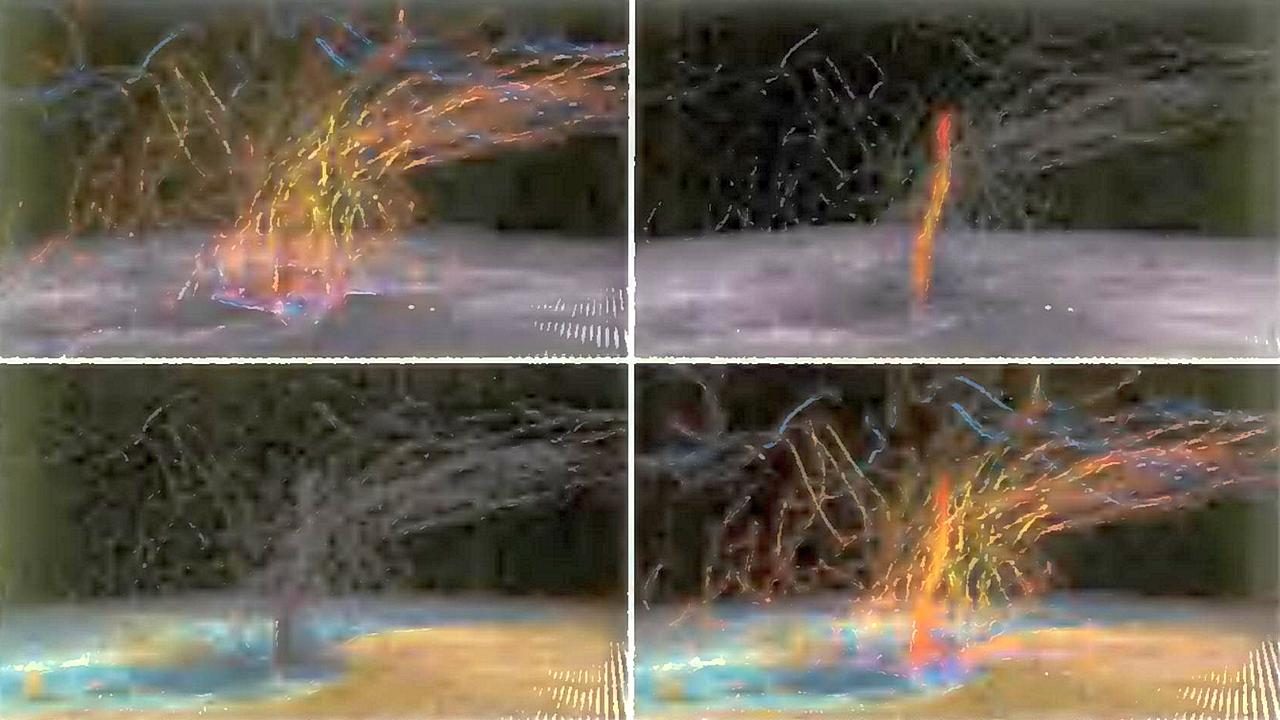
Injection molding works by heating a thermoplastic resin until it is molten and injecting it under pressure into a steel or aluminum mold. Once cooled and solidified, the part is ejected identically to the last and the next. This repeatability, often seen as its main strength in manufacturing, is also what makes it appealing in contemporary design and sculpture.
For artists working in multiples or seeking perfect symmetry, injection molding enables the production of refined shapes with exact tolerances. But it’s not just about the final object. The process itself, watching material take shape, controlling flow, heat, and cooling, can be part of the creative act. It introduces artists to the possibilities of experimentation with materiality, texture, and layering.
Material as Medium, Not Just Matter
Thermoplastics used in injection molding include a wide variety of materials, such as ABS, polycarbonate, nylon, and more, each with unique behavior. Artists can play with translucency, color additives, or flexible grades, choosing not just shape but sensory impact. The way a part catches light, its surface texture, and even how it feels in the hand become controllable variables in a creative palette.
Much like traditional art materials, each resin has its own voice. Polypropylene might mimic the silkiness of porcelain, while polycarbonate can capture sharp lines with a glasslike clarity. When used skillfully, the materials elevate the object from product to piece.
Tooling as a Creative Challenge
The mold is the heart of the injection process, and its creation is a skill in itself. Designing a mold requires an artist to think in reverse, sculpting negative space, planning flow paths, and anticipating shrinkage. While it may sound highly technical, these steps mirror those found in printmaking or metal casting. The shift from positive to negative, from intention to result, creates opportunities for artistic experimentation.
Artists working in this medium often collaborate with engineers or toolmakers, turning a traditionally industrial process into a cross-disciplinary effort. This collaboration creates pieces that are technically precise, yet creatively fluid.
Sustainability and the Beauty of Repurposed Plastic
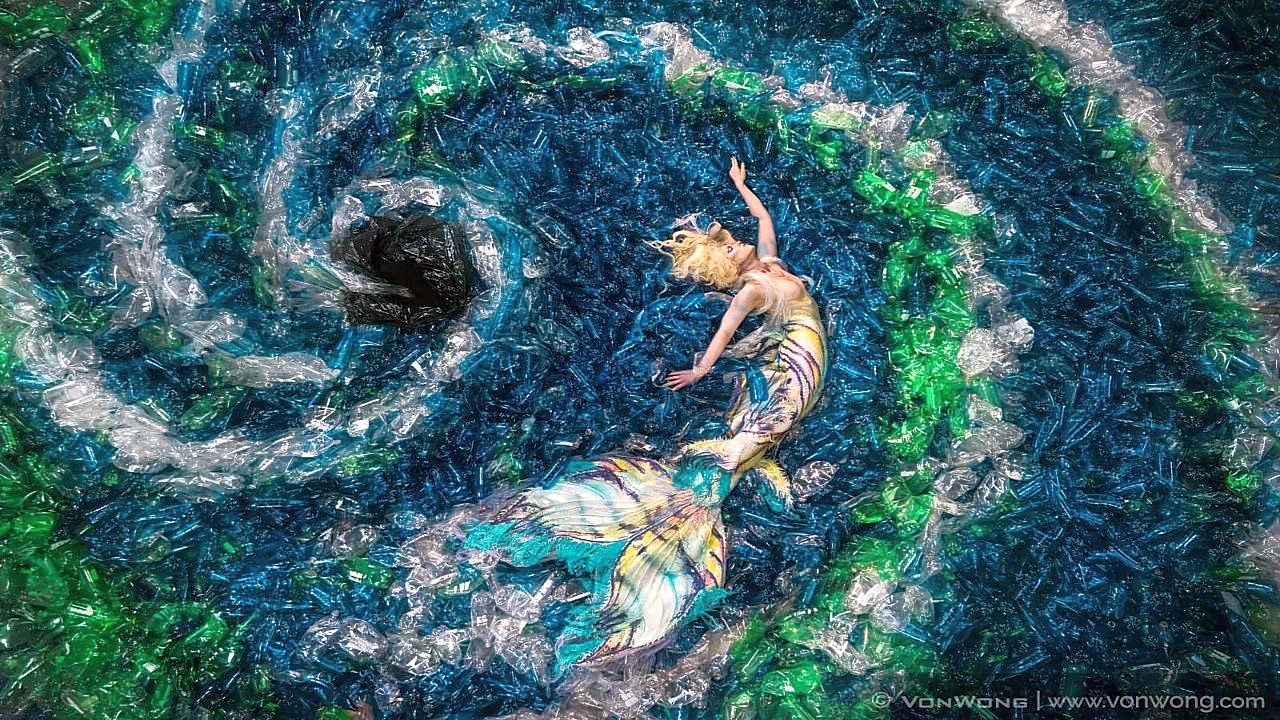
The conversation around sustainability has led many artists to explore injection molding with recycled plastics. Post-industrial waste, shredded consumer packaging, and reclaimed materials are now being used to create works that comment on consumption, ecology, and the lifecycle of material goods.
By turning waste into art, artists reclaim control over materials that were once symbols of excess. The visual narrative becomes richer: not only does the form matter, but so does the story of how it came to be. Molding machines, once reserved for factories, now appear in maker spaces and art studios, powering small-batch production with reclaimed plastics.
Bridging the Gap Between Function and Form
What distinguishes injection molding from other fabrication techniques is its capacity for both complexity and uniformity. A piece can be deeply sculptural while remaining perfectly functional. Artists working in furniture, product design, or wearable art find this balance particularly useful. They can shape bold silhouettes or fine textures while ensuring their objects are usable, durable, and reproducible.
This opens doors for artists who wish to straddle disciplines, blending utility with expression, fine art with industrial design. A molded plastic object doesn’t need to hide its origins in a factory; instead, its clean lines and polished finish become part of its aesthetic identity.
Educational and Collaborative Spaces for Molded Art
Across the world, art and design schools are beginning to incorporate industrial processes like injection molding into their curricula. Students are encouraged to explore it not just for commercial design but as a legitimate art-making technique. Studios now house desktop injection machines, open-source mold files, and resin recycling stations.
This accessibility has sparked a new generation of creatives who see plastic not as a limitation but as a language. Their work reflects a growing comfort with digital tools, hybrid methods, and sustainable thinking. Artists collaborate with engineers, software developers, and even architects, creating a truly interdisciplinary movement.
Future Directions in Molded Expression
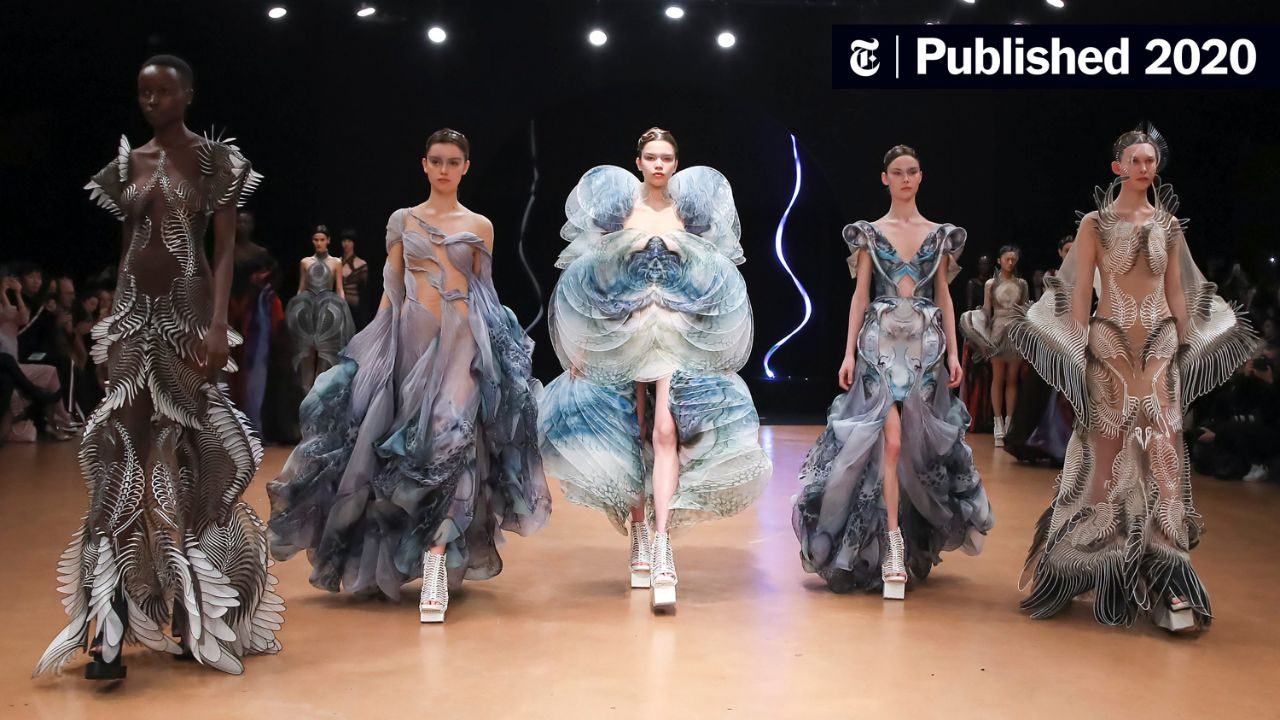
The future of injection molding in art lies in its adaptability. As 3D printing and CNC technology make mold-making faster and more affordable, independent artists will continue pushing the boundaries. No longer limited to commercial runs, the method will see new applications in limited-edition design, kinetic sculpture, and interactive installations.
Materials will evolve as well. Bio-based polymers and responsive plastics offer exciting opportunities to merge science and sensory experience. Pieces may shift in color, texture, or rigidity with temperature or touch, creating an evolving relationship between the artwork and the viewer.