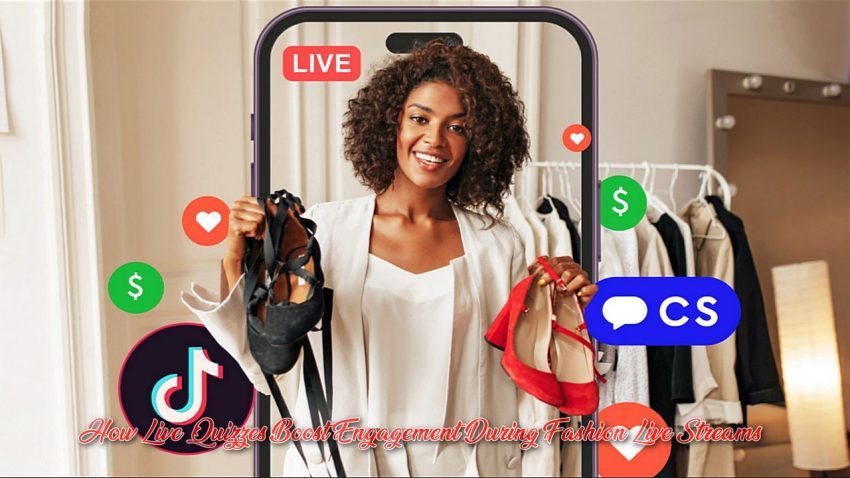
Fashion live streams can feel electric when the audience stops watching and starts participating. That shift is the difference between a broadcast and a real-time shopping experience. When viewers get moments to react, vote, and play along, they stay longer, comment more, and pay closer attention to what the host is showing.
Used well, the Quizell platform helps brands turn Live Quizzes into a lightweight layer of interaction that feels natural inside a stream. The best part is that quizzes do not need to be complicated. A few well-timed questions can create momentum, surface intent, and make product discovery feel personal instead of pushy.
Turn Passive Viewers into Active Participants in Seconds
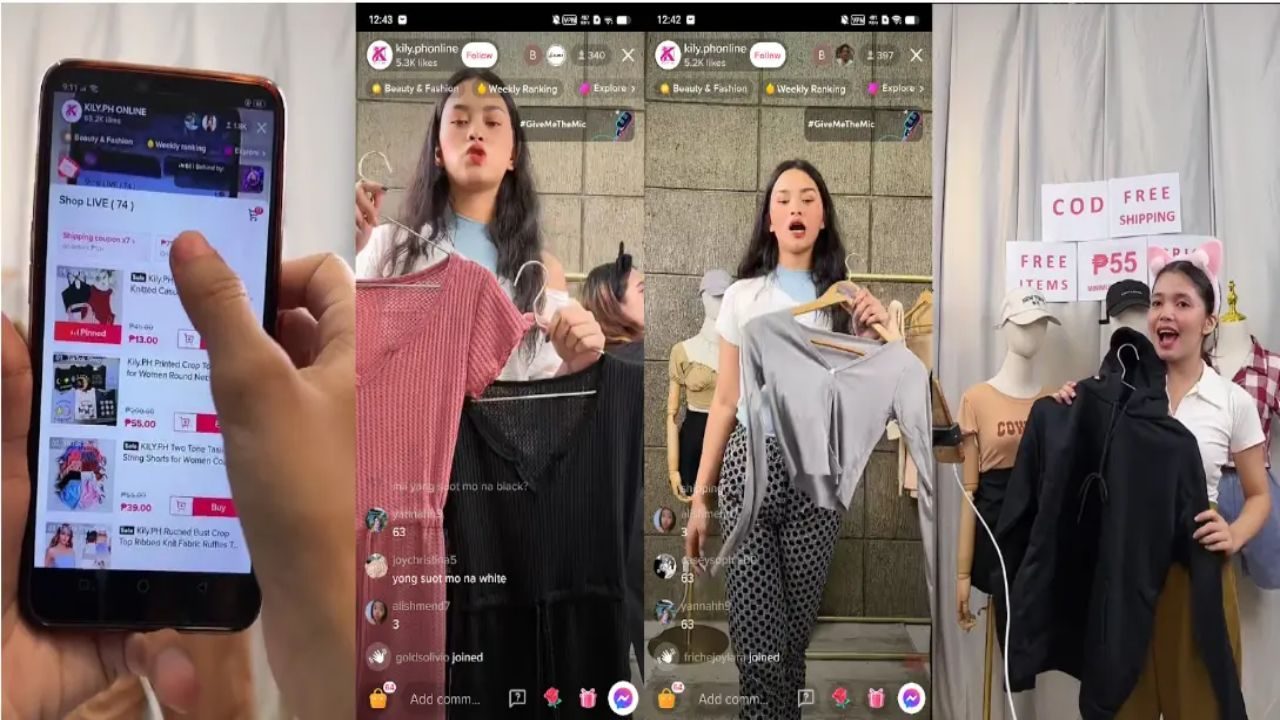
A fashion live stream competes with everything on a viewer’s phone. Notifications, other apps, even the temptation to scroll away. Quizzes interrupt that drift in a friendly way. When a prompt pops up, viewers make a quick choice. That small action creates a mental commitment to stay and see what happens next.
Interactivity also changes the emotional tone of the stream. A host asked, “Which look wins?” invites the audience into the styling decision. People who vote feel involved. People who comment to defend their pick feel even more involved. That “I contributed” feeling is a simple but powerful driver of retention.
The key is pacing. Quizzes work best as quick beats, not long tests. Think of them like a call-and-response pattern that keeps the stream lively. A short question after a product try-on. A rapid poll before switching to the next outfit. A fun “this or that” to reset energy when the chat slows down.
Create Two-Way Storytelling Instead of One-Way Selling
Traditional live selling can slip into a product monologue. Features, price, colors, restock talk, repeat. Quizzes let you build a narrative that the audience helps shape. If the crowd votes “date night” over “office,” the host can style around that choice and instantly make the next segment feel tailored.
That kind of branching content does more than entertain. It reduces skepticism. Viewers see the host responding to real input, not pushing a fixed script. The stream feels more like a stylist session than a sales pitch. And that makes product recommendations land with less resistance.
You can also use quizzes to structure a mini-arc. Start with a theme, then ask the audience to choose the next step. “Pick the base layer.” “Choose the jacket.” “Select the shoes.” By the end, the audience helped build a complete look. That makes the final product set feel earned, not forced.
Boost Product Discovery with Intent-Driven Questions
Fashion catalogs are huge. Even tight collections have too many options to show in one stream. Quizzes help you route viewers to what they actually want. Ask a question that reveals taste or use case, then showcase items aligned to the top answers.
For example, “What do you wear most?” can split the audience into casual, workwear, and going-out. A follow-up can narrow further. “Preferred fit?” or “Top priority today?” Suddenly, you are not guessing. You are letting the audience tell you what to spotlight.
This approach helps viewers as much as it helps the brand. Shoppers often join live streams without a clear plan. A quiz gives them a direction. It turns browsing into guided discovery. When people feel guided, they feel less overwhelmed. When they feel less overwhelmed, they buy more confidently.
Make Styling Education More Memorable and More Shareable
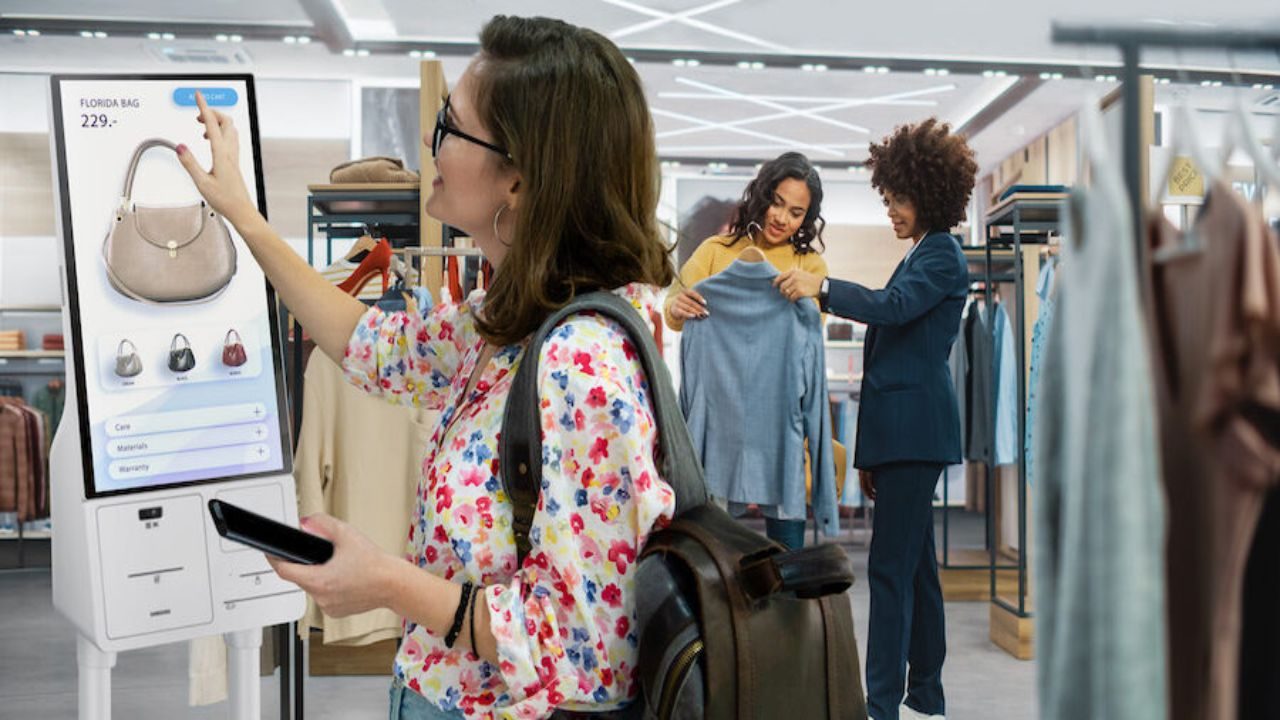
Fashion selling works better when it teaches, not when it lectures. Quizzes can turn styling tips into interactive learning. Instead of telling viewers “balance proportions,” ask them to pick the better silhouette, then show why the answer works. People remember lessons they participate in.
Interactive education also raises perceived expertise. A host who explains the reasoning behind a quiz answer sounds like a stylist, not a presenter. That credibility matters, especially for higher-priced pieces where viewers need reassurance on fit, fabric, and versatility.
And there is a social side. A playful quiz invites friendly debate in chat. Viewers tag friends. They post screenshots. They replay the moment. That organic sharing is valuable because it spreads the stream beyond the current audience. It also builds a brand voice that feels approachable and confident.
Drive Real-Time Conversion with Low-Pressure Gamification
Quizzes can push shoppers to act without sounding aggressive. A time-bound quiz can create urgency, but it feels like a game instead of a countdown timer. For example, “Answer in the next 60 seconds to unlock the bundle link” frames the moment as participation, not pressure.
You can also use quizzes to reduce purchase anxiety. Many viewers hesitate because they are unsure about size, fit, or styling. A quick quiz that ends with “your recommended size range” or “your best match from today’s drop” gives shoppers a simple next step. It removes friction and supports faster decisions.
The strongest quiz-driven conversion moments feel earned. The audience votes a look to the top, the host recaps it, then drops a clean call to action tied to that audience choice. Viewers feel seen. The products feel selected by the crowd. That social proof can be stronger than any scripted pitch.
Measure Engagement and Improve Each Stream With Better Signals
Comments and likes are noisy. Quizzes produce clearer signals because they force a choice. Over time, those choices become a map of what your live audience wants. Which silhouettes win. Which colors get ignored. Which price points trigger drop-off. Which styling themes keep viewers watching.
Those insights can shape your next run of content. If “capsule wardrobe” quizzes consistently outperform “party looks,” you have a direction for programming. If viewers pick “stretch comfort” over “structured fit,” you know what language to emphasize. The stream becomes less guesswork and more iteration.
Quizzes can also improve collaboration across teams. Marketing sees which hooks drive participation. Merch sees which items win head-to-head matchups. Creative sees which styling angles resonate. When each stream feeds the next, you build a feedback loop that compounds. Engagement rises because the content gets sharper every time.