

Architecture has always lived at the intersection of vision and precision. An architect might spend years developing a design sensibility, only to lose that same time to documentation: converting sketches into AutoCAD files, producing floor plans to submission scale, updating sheets after every client revision. Many studios now address this by working with JOT Solutions engineering outsourcing services to handle the technical production layer, freeing senior staff to stay focused on the work that actually requires architectural judgment.
The practice of outsourcing CAD drafting has grown from an edge-case experiment into a standard operating model for mid-size firms managing variable project loads. It’s no longer a sign that a firm is stretched thin; for many practices, it’s a deliberate structure built around the reality that production documentation and design thinking require different skill sets, different rhythms, and different levels of experience. Managing both with a single in-house team creates trade-offs that most firms eventually stop accepting.
What CAD Drafting Actually Involves for an Architecture Practice
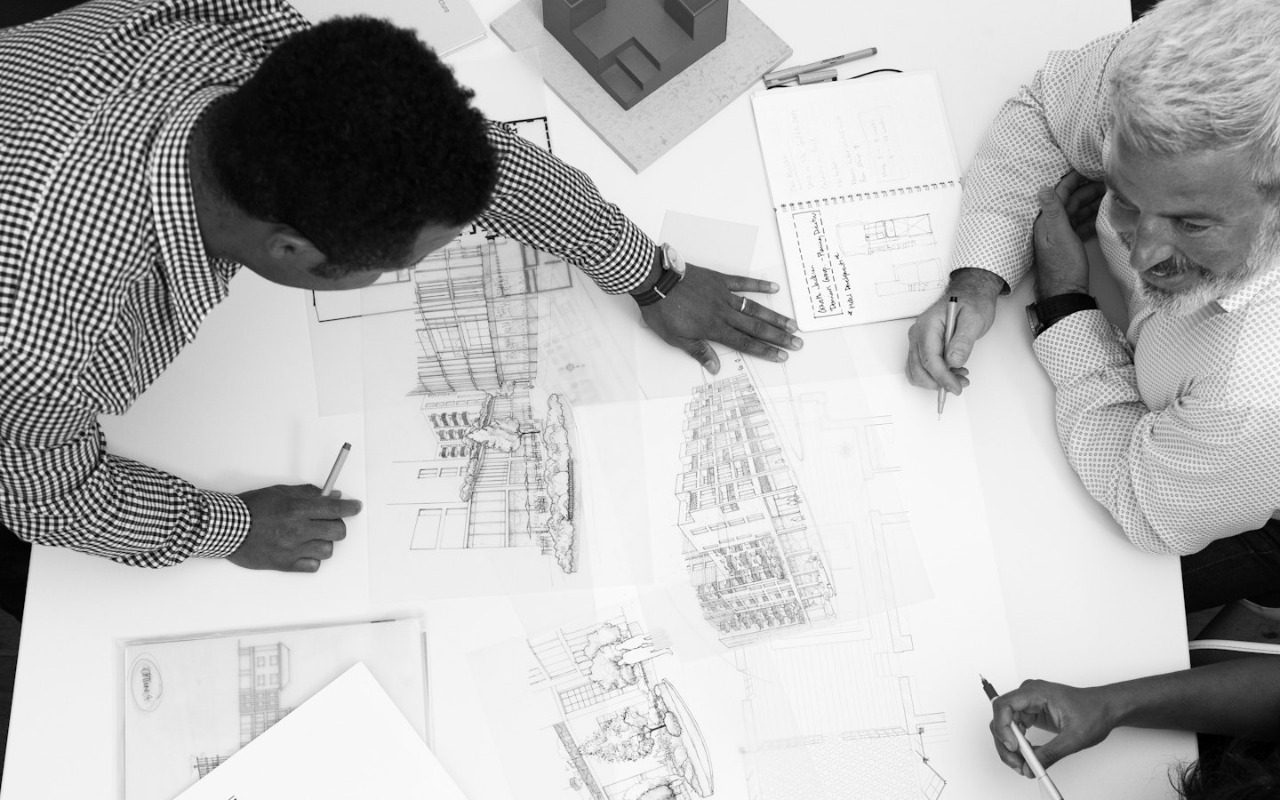
Not all CAD work is the same. There’s a real difference between schematic design work, where spatial thinking drives the file, and production drafting, where the goal is accurate documentation of decisions already made. The latter is where outsourcing fits without friction.
Production documentation includes floor plan sheets, elevations, sections, reflected ceiling plans, schedules, and detail drawings assembled for permit submission or construction. None of this requires the original design architect. It does require drafters who understand layer conventions, sheet organization, and how to read a redline accurately.
According to the Bureau of Labor Statistics, about 16,200 drafter positions open annually in the US, but overall employment in the occupation is essentially flat. That gap between demand and domestic supply is one practical reason firms look beyond their local talent pool. A specialist outsourcing partner with teams trained in architecture documentation standards can absorb production work more reliably than a generalist hire, and without the onboarding time.
The Cost Math Behind Outsourced Drafting

A mid-level in-house drafter in a US architecture firm earns somewhere between $55,000 and $75,000 per year before benefits, software licenses, and overhead. Outsourced drafting through a structured provider runs a fraction of that, and the firm pays only when there’s work to send.
For a practice carrying two or three active permit sets at once, the difference adds up quickly. The cost of outsourcing a full permit package, including all plan sheets and details, can come in below what an in-house drafter earns in a single month. That math becomes even more significant during a busy season, when firms need to scale production without committing to permanent hires.
There’s also a less obvious benefit. When senior architects aren’t pulled into CAD production, they have capacity for additional client meetings or project oversight. The hours recovered from documentation don’t disappear; they shift toward work that drives revenue or improves the quality of what gets built.
How Project Timelines Change When Drafting Moves Off-Site
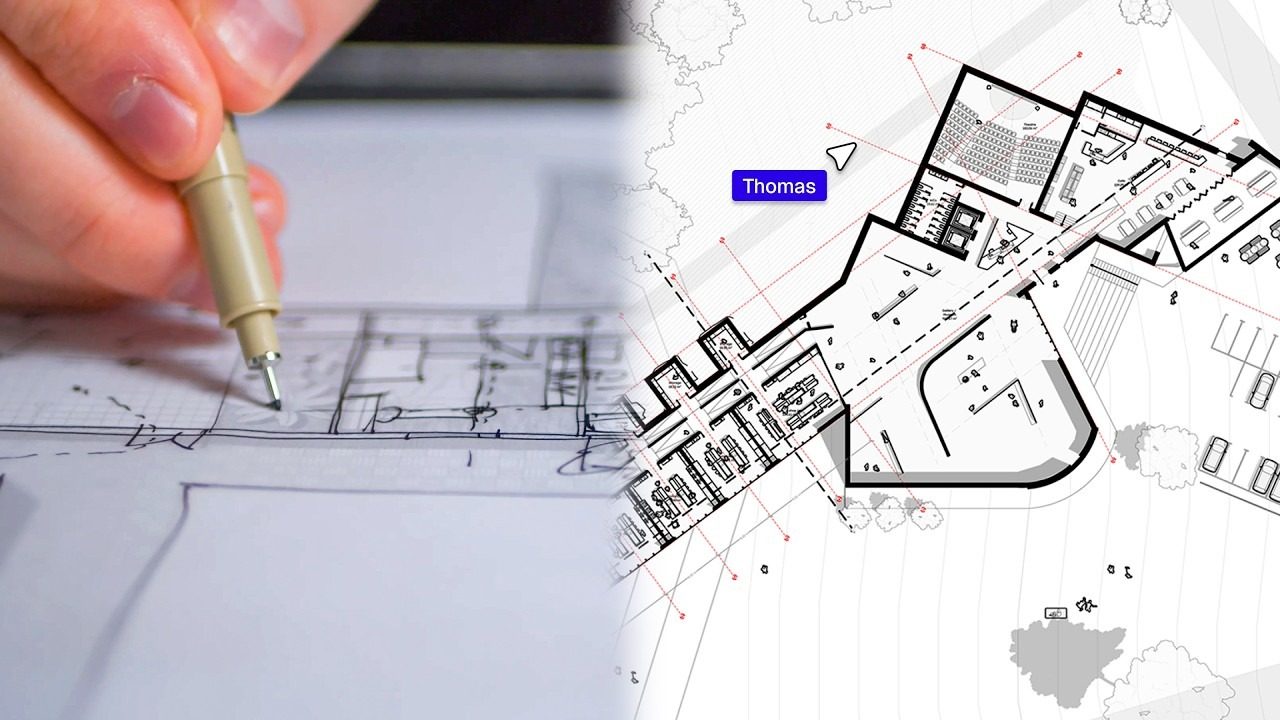
The common expectation is that outsourcing adds time to a project: files need to go out, someone has to write a brief, revisions take longer than walking across the office. In practice, the opposite often happens, at least for firms that are honest about how their internal drafting actually runs.
In-house drafters get pulled in multiple directions. Someone working at a small firm might spend mornings on permit documentation, afternoons updating a marketing deck, and end of day in a client meeting. A project’s CAD package sits half-finished while other things take priority. An external drafting team working against a single active brief doesn’t have those competing demands.
Time zone differences can also work in a firm’s favor. Sending a marked-up set at end of day to an overseas team means it comes back by morning. For projects approaching a permit deadline, that overnight production cycle is genuinely useful, not just something a service provider puts in their brochure.
What to Look for in an Engineering Outsourcing Partner

The firms that struggle with outsourced drafting usually struggle for one reason: they didn’t establish clear handoff standards before the first project. The firms that make it work set those up front.
You need to know whether the partner works in your CAD environment, whether that’s AutoCAD LT, full AutoCAD, Revit, or a combination. You need to understand how they handle revision cycles, what their standard turnaround looks like, and what happens when something in the brief is ambiguous. A partner worth keeping asks questions before diving in. One that makes assumptions and sends back files that miss the brief is a liability, regardless of the hourly rate.
The U.S. Small Business Administration notes that more than a third of small businesses already outsource at least one core function. The firms that do it well set scope and quality expectations before the first handoff, not after problems surface. That same logic applies directly to architectural drafting: the relationship is only as reliable as the clarity you build into it from the start.
The Real Test: What Happens to Design Quality
There’s a version of this conversation that treats drafting as purely mechanical, and that version is misleading. CAD documentation involves judgment calls: how to detail a connection, which dimensions to call out, where to place a note so it reads clearly at the right scale. Outsourcing doesn’t remove those calls; it moves them to a different person.
That’s why quality review matters more than quality anxiety. Firms that outsource successfully tend to spend more time on file review, not less. They check drawings before submission the same way they would review work from a junior staff member in-house. The difference is they’re applying that review time to markup and correction, not to producing the drawing from scratch.
Firms that outsource poorly usually send vague briefs and hope the package comes back right. When it doesn’t, they conclude that outsourcing doesn’t work. The problem in most of those cases was the process. The external drafting team can only be as precise as the information they receive, and that’s a management responsibility that doesn’t disappear when the work moves off-site.