
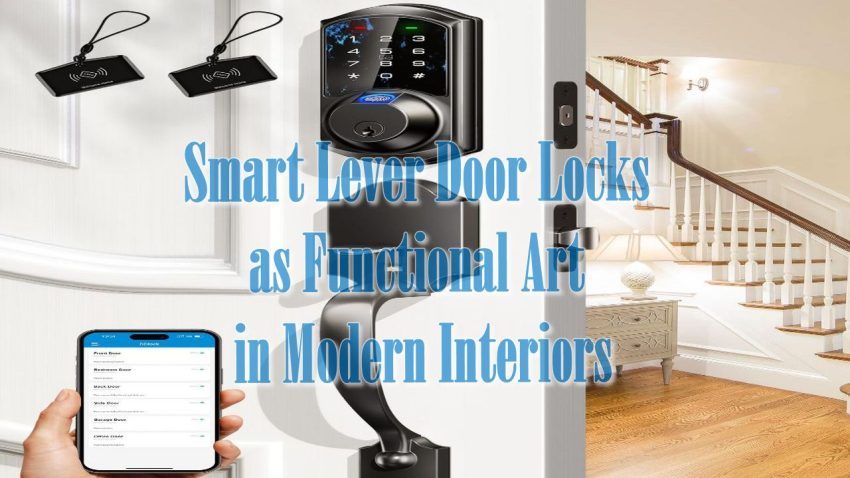
Smart home technology has moved beyond utility and entered the world of design. No longer hidden or overlooked, hardware choices now contribute as much to the aesthetic identity of a space as they do to convenience. A smart lever door lock, for example, is not only a tool for access control but also a statement piece that blends technology, craftsmanship, and artistry. In modern interiors, where every detail counts, these locks transform ordinary doors into functional works of design.
Homeowners and designers alike now see hardware as an opportunity to extend style and personality. Instead of clunky, utilitarian devices, smart lever locks introduce sleek lines, premium finishes, and architectural influence. They demonstrate how technology, when carefully designed, can enhance the beauty of a home rather than disrupt it.
Design That Complements Architecture
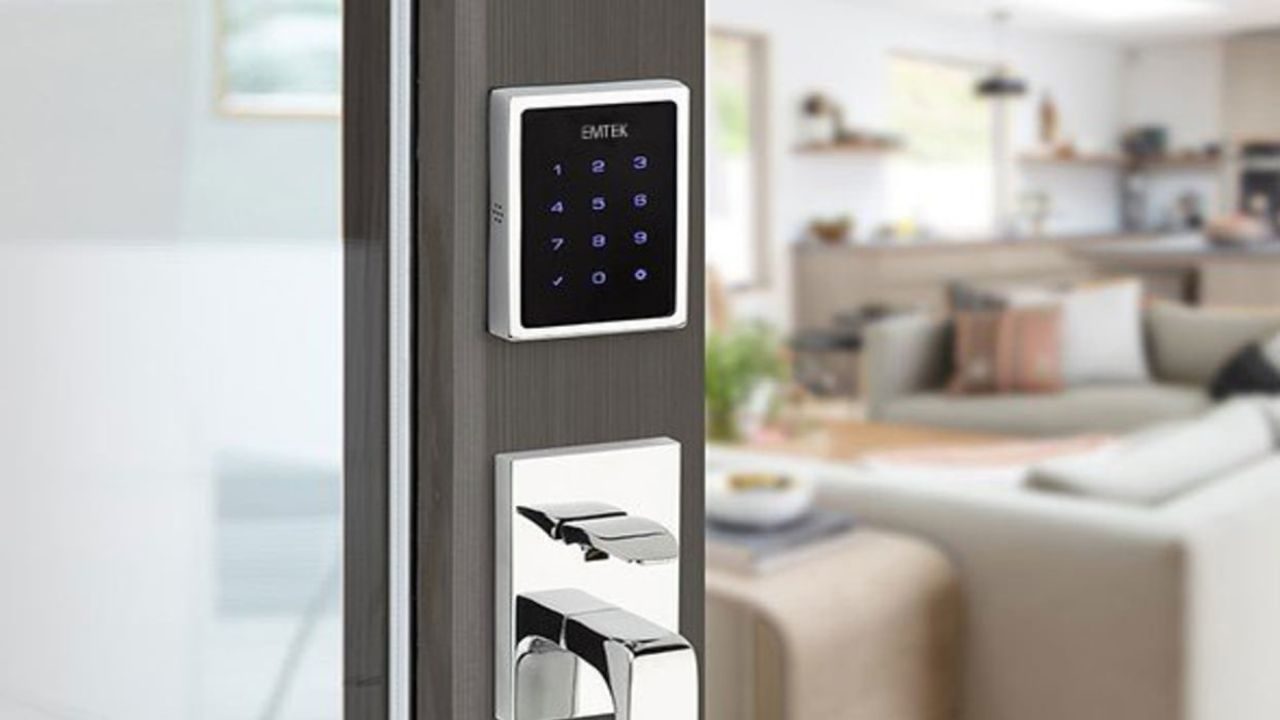
Modern interiors often demand clean profiles, minimalist surfaces, and coordinated finishes. A smart lever door lock aligns with these principles by pairing advanced electronics with refined craftsmanship. The lever format itself offers a more sculptural silhouette compared to traditional knobs. Designers use this to echo architectural elements, whether the sharp lines of a modern loft or the soft curves of a transitional home.
Available in brushed nickel, matte black, polished chrome, and even custom tones, these locks can be matched to cabinetry hardware, lighting fixtures, or railings. This harmony makes the lock feel intentional, not an afterthought. Instead of being hidden or purely functional, the lever lock becomes a design accent that elevates the entire entryway.
The Balance Between Form and Function
True functional art emerges when practical necessity and design expression meet. Smart lever locks represent that intersection. The mechanism must provide reliable security, yet the look must inspire visual interest. This duality drives manufacturers to innovate in both performance and aesthetics.
Slimline profiles house complex biometric sensors, wireless receivers, and encrypted circuitry without appearing bulky. Subtle indicator lights are woven into the design so they remain discreet when not in use. Even the feel of the lever is engineered for tactile satisfaction, with ergonomic contours that feel natural in the hand. These details showcase how artistry extends beyond appearance into the sensory experience of daily use.
Security as Part of the Aesthetic Story
For decades, security hardware was heavy, industrial, and visually intrusive. Today, design-forward smart locks prove that safety and style can coexist. Many homeowners want their entry points to feel welcoming without sacrificing protection. Lever locks address this by integrating advanced encryption, tamper alerts, and auto-locking features inside streamlined casings.
This approach reflects a broader shift in design philosophy. Safety is not hidden in bulky mechanisms but woven seamlessly into an elegant package. The lock itself becomes a quiet promise of both style and strength, offering reassurance without dominating the visual space.
Enhancing Everyday Rituals
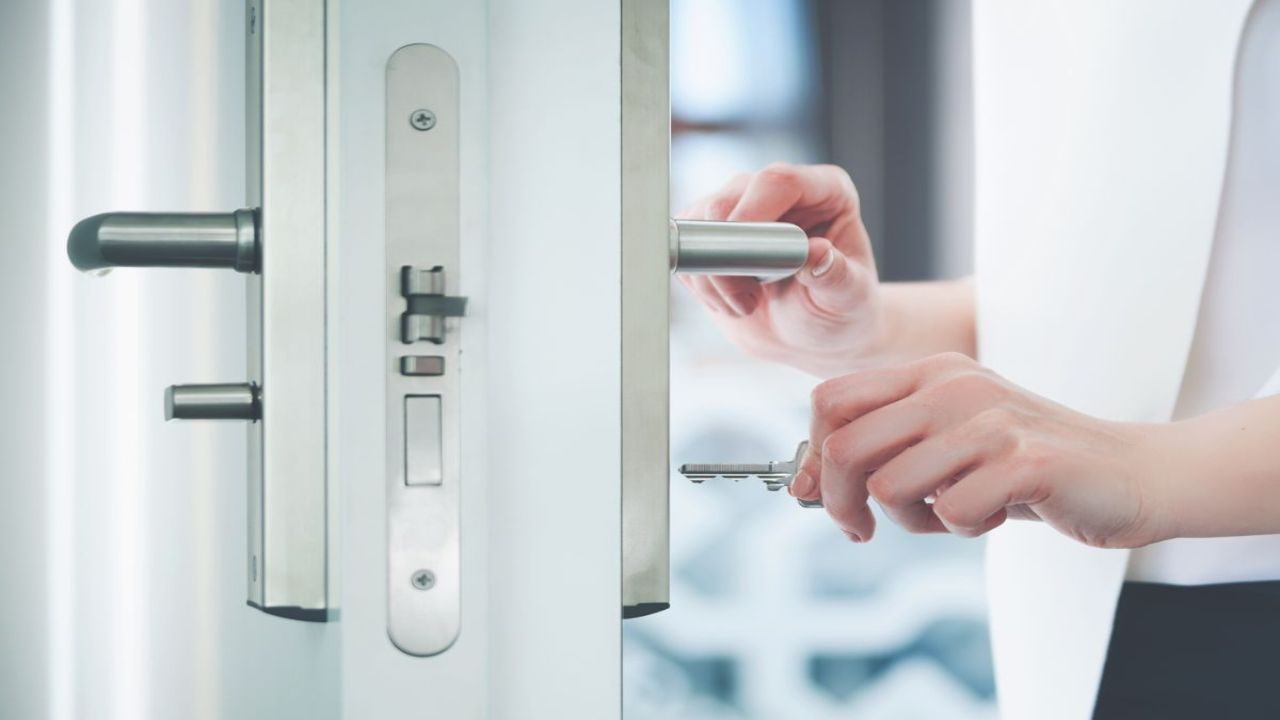
A well-designed lock changes the way people interact with their homes. The ritual of leaving and returning becomes smoother and more intentional. Touch-based entry, smartphone integration, and keyless convenience mean no more fumbling with keys. Yet beyond efficiency, these features create an almost ceremonial quality to the act of opening a door.
Imagine arriving home with arms full of groceries and effortlessly unlocking with a fingerprint, or a guest being welcomed through a temporary digital code. These experiences highlight how functional art improves daily life. The lock becomes more than hardware; it becomes part of the narrative of living in a modern, well-designed space.
The Role of Customization in Interior Harmony
Customization is central to making smart lever locks feel like functional art. Beyond finishes and materials, some brands allow interchangeable levers, decorative backplates, and personalized digital settings. This flexibility gives homeowners and designers the ability to tailor the piece to suit a broader design vision.
For example, a mid-century inspired home might feature a slim, brass lever with subtle geometric etching. A contemporary penthouse might use a matte black model with integrated LED edge lighting. These choices ensure the lock feels like a curated element within the larger composition of the home.
Smart Locks as Future-Proof Design
Technology evolves quickly, and interior design must adapt without becoming obsolete. Smart lever locks help future-proof a home because they merge enduring craftsmanship with modular, upgradable technology. Many models support over-the-air updates, integration with new smart home platforms, and expandable features like voice control.
This longevity reinforces their role as functional art. Just as a timeless chair design continues to inspire decades after its creation, a well-crafted lock retains visual relevance while adapting to new demands. By bridging heritage design values and modern digital innovation, smart lever locks embody the essence of what makes interiors both stylish and forward-thinking.