A wedding dress is not chosen in a vacuum. It exists in time and weather, in the particular quality of light that floods a chapel in December versus the heat that radiates off a terrace in July. These conditions shape what looks beautiful and what feels wearable, and any serious consideration of bridal style has to start here. The dress that photographs well in soft spring light is not the same dress that holds up in the bleaching brightness of August noon, and brides who treat the question as purely aesthetic often find themselves revisiting that decision on the day.
The instinct is to focus on the dress as an object: its silhouette, its embroidery, the way the skirt moves. But the dress is also a response to season, venue, body temperature, and the quality of photographs that different lighting conditions produce. A fitted satin gown worn to a midwinter ceremony in a candlelit church will look entirely different from the same gown under a white marquee in midsummer. Brides who understand this relationship tend to make choices they do not regret. Those who skip it sometimes spend the morning adjusting and the afternoon uncomfortable.
The Seasonal Palette: How Temperature Shapes Silhouette
Spring and autumn weddings share one quality that summer and winter do not: forgiving conditions. The temperature range is comfortable, natural light is soft and even, and fabrics of moderate weight perform well from the ceremony through to dancing at midnight.
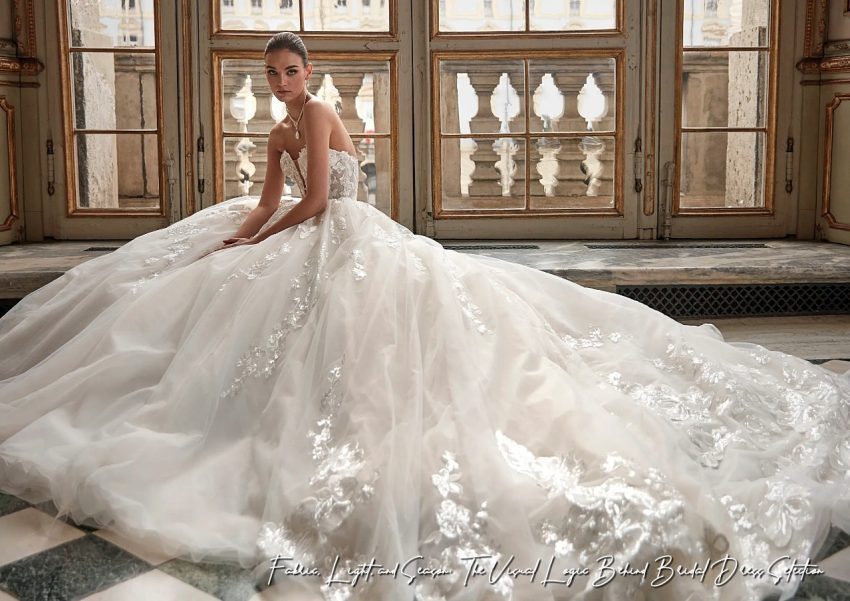
Summer weddings are something else. Fabric behaves differently in heat; organza and chiffon survive it better than duchess satin or crepe, which trap warmth against the skin. The silhouette question follows: fuller skirts allow air circulation in a way that fitted gowns cannot. A good seasonal wedding dress guide will address the fabric layer before the silhouette layer, because the practical choices narrow the aesthetic ones considerably.
Winter weddings open up different possibilities. Heavier fabrics like mikado and silk taffeta are comfortable and visually appropriate for cold-weather ceremonies. Some brides choose to treat the warmth question separately, with a cover-up or jacket for outdoor photographs removed for the reception, which creates its own kind of visual interest.
Couture Meets Climate: How Designers Build for the Season
Not all bridal labels approach seasonal variation with equal seriousness. Many collections are designed for a generic bride photographed in a neutral studio against a white backdrop, which tells you very little about how the dress performs at a garden ceremony in Tuscany in August, or at a December courthouse in northern Canada.
The labels worth paying attention to are those that think about construction and material alongside aesthetics. Luxx Nova occupies this space with a collection built on the principle that evening wear and bridal wear share a technical vocabulary, where the drape, weight, and surface quality of a fabric determines the entire character of the garment.
When a label designs specifically for a made-to-order or limited-run model, the result is often better calibrated to real conditions. The measurements are precise, the fabric choices are deliberate, and the timeline allows for adjustments. Off-the-rack production tends toward safe, season-neutral choices; made-to-measure allows specificity.
Fabric as Medium: Texture and Weight in Bridal Wear
Fashion historians at the Victoria and Albert Museum have documented how fabric technology has determined what was aesthetically possible in every era of Western dress. The corset-and-crinoline period was made possible by steel; the liquid drape of 1930s bias-cut gowns required the development of synthetic crepe and improved silk warp. This is not just historical trivia; it matters for how you read contemporary bridal collections.
Modern bridal fabrics have expanded considerably past the white duchesse satin that dominated mid-century photographs. Brocades, velvets, and jacquards now appear in bridal collections without irony. Chiffon layers create depth and movement that flat fabrics cannot. Charmeuse catches light differently at different hours of the day, which makes it a practical choice for brides who will be photographed across changing conditions from noon ceremony through evening reception.
The weight of a fabric also determines how a silhouette reads in photographs. Heavy fabrics create clean, sculptural lines. Lighter fabrics create movement. Neither is better; the choice should match the visual effect the bride is trying to achieve.
The Ceremony Setting and Its Demands
A beach ceremony is a very different visual problem from a gothic cathedral. Natural light at water level bleaches pale fabrics in photographs; a dress that looks crisp in a showroom fitting can look overexposed against white sand. Cathedral weddings involve interior light and long sight lines, and the dress needs to read from a distance, which means silhouette matters more than surface detail.
Garden ceremonies present a background question that is genuinely interesting. Green sits at the opposite end of the spectrum from white, which means white dresses against green foliage photograph extremely well. But the ground is uneven, which makes very long trains impractical unless the venue mows specifically for the event.
Venue research should inform dress selection at least as much as the bride’s preferred aesthetic. The constraints of a listed building or a tight indoor space are real, and working within them produces more consistent results than ignoring them. The two are not in conflict; understanding the visual demands of the setting helps narrow the choices rather than eliminate them.
Personal Expression in an Era of Year-Round Weddings
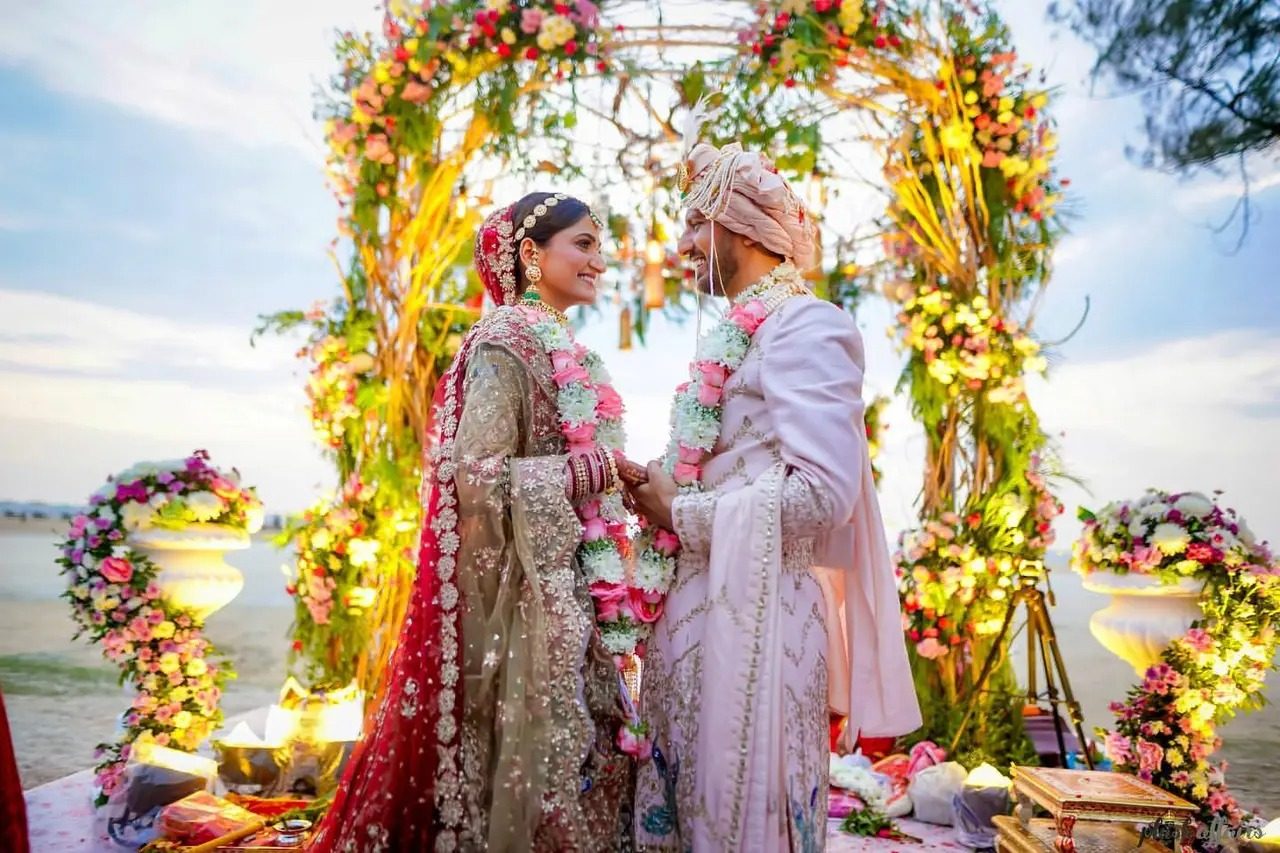
The idea that weddings happen in June and early September is a cultural memory, not a current fact. Destination weddings, elopements, and micro-weddings have distributed ceremonies across every month of the calendar. This has had a practical effect on what bridal labels offer and what brides expect.
The result is more diversity in colour. Ivory and off-white have mostly replaced pure white in the last two decades, and soft blush, warm champagne, and even pale sage are now standard options in most collections. The Costume Institute at the Metropolitan Museum of Art has traced this shift across its four centuries of holdings, noting that rigid colour conventions in bridal dress have historically followed cultural rather than aesthetic logic.
Some brides are now treating the dress as they would treat any fashion purchase: as an expression of a consistent personal style rather than a departure from it. This is a reasonable position. The dress that looks like the person wearing it will almost always photograph better than the dress the bride thought she was supposed to want.