

First impressions matter. And nowadays, your photo is often the first thing people see. Whether it’s on LinkedIn, a company website, or a press release, a sharp corporate headshot tells people you’re serious, reliable, and professional. Luckily, with insights from a NYC corporate headshots professional, you will now know that the way you are photographed can shape how you are seen and remembered.
But creating a great headshot isn’t just about standing in front of a camera. It’s an art form that involves lighting, expression, style, and even background choices. The goal isn’t just to make someone look good; it’s to make them look like the best version of themselves, while still fitting their industry and brand. This article explores how to do just that, and how understanding the art behind corporate headshots can change the way people see you.
The Purpose of a Corporate Headshot
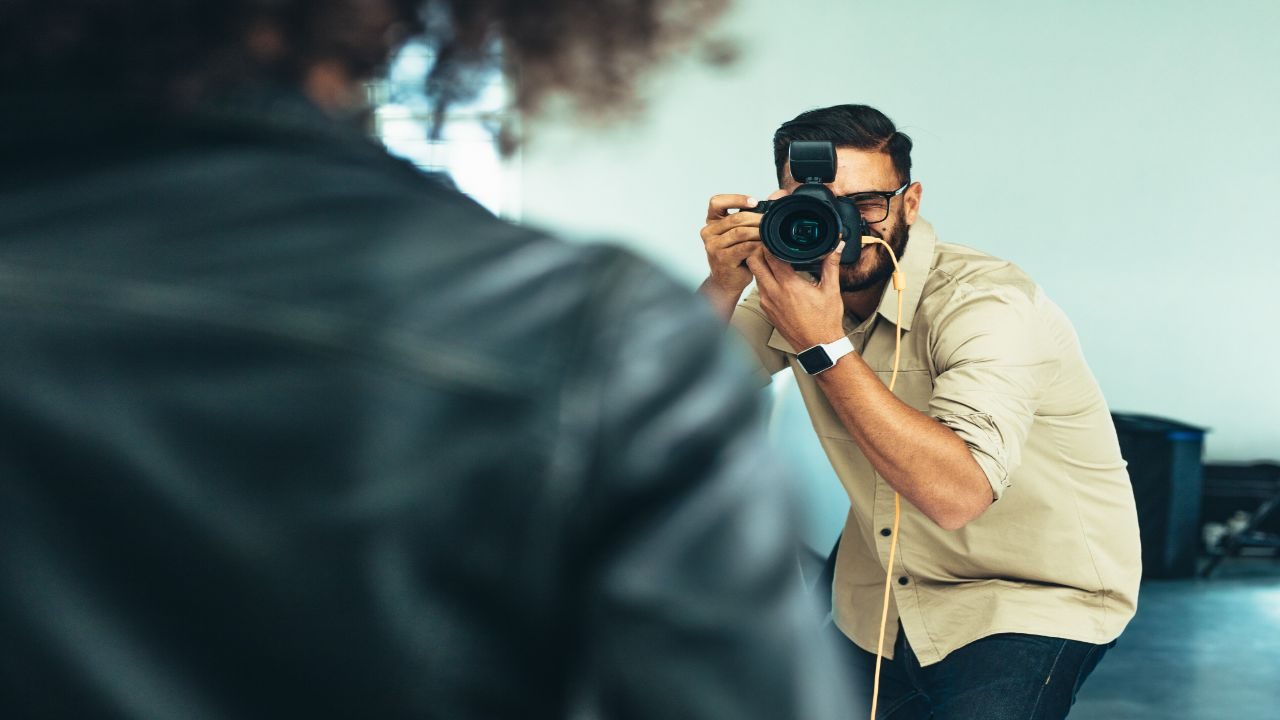
A corporate headshot is more than just a photo of someone in a suit. It’s a visual handshake—a way to communicate confidence, trust, and personality without saying a word. Companies use headshots on their websites, ID badges, marketing materials, and other promotional materials. That’s why it’s essential that each image aligns with the brand’s tone and the person’s role in it.
When planning a shoot, start by asking: What message do you want this photo to convey? A law firm might want a serious, traditional look, while a tech startup may prefer a casual, friendly vibe. This goal guides every decision—from the pose and clothing to the background and lighting.
Also, keep consistency in mind. If you’re shooting headshots for an entire team, they should look like they belong together. Same lighting, same angle, similar backgrounds. It helps present the business as organized, professional, and unified.
Preparing the Subject for the Best Results
Getting a great headshot starts with helping the person feel at ease. Many people feel nervous or awkward in front of the camera. As the photographer, it’s your job to make them feel comfortable and confident. Start with a warm greeting, light conversation, and maybe a few practice shots.
Encourage your subject to wear simple, professional clothing. Avoid bold patterns or flashy jewelry, which can distract from the face. Neutral colors usually work best. Remind them to get a good night’s sleep, stay hydrated, and maybe even practice smiling in the mirror beforehand.
Hair and makeup matter too, but they should be natural, not overly styled. A fresh, clean look usually works best. If you’re shooting outdoors or under strong lights, remind them to bring oil blotting sheets or powder to reduce shine. These small details can make a big difference in the final image.
Lighting, Background, and Composition
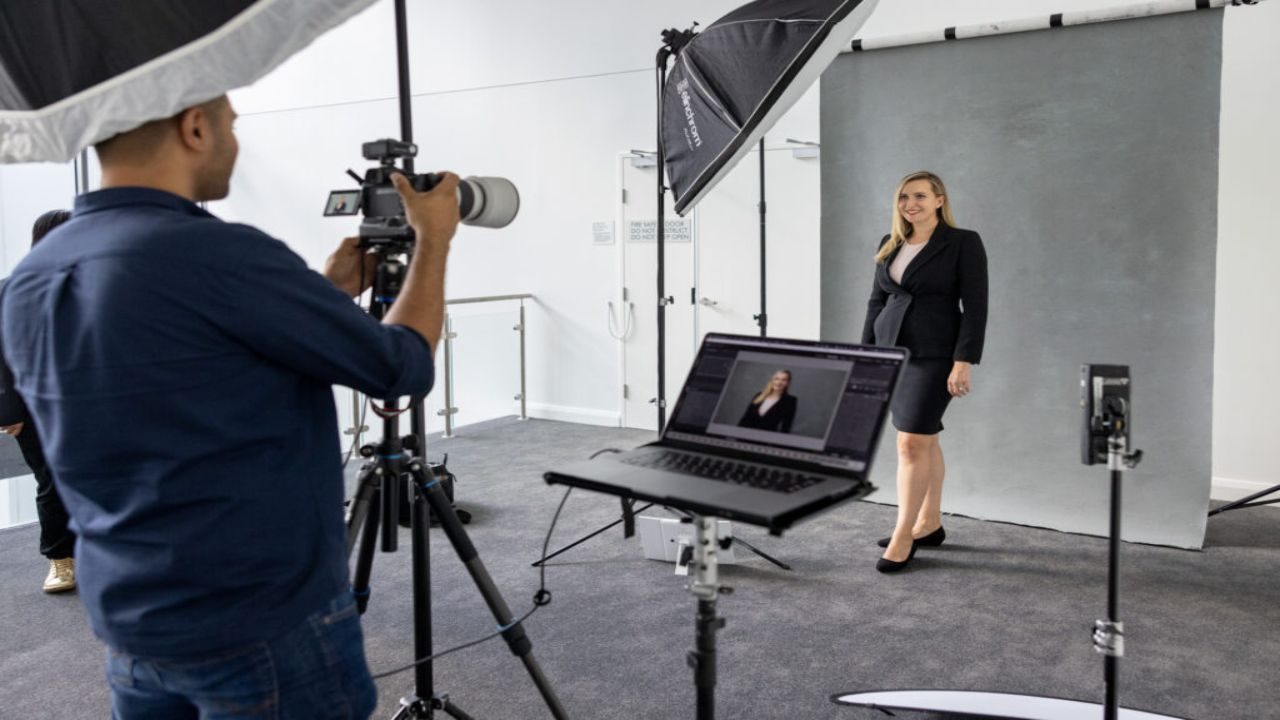
Lighting is the heart of a strong headshot. Soft, even lighting is the goal. Harsh shadows or too much brightness can distract from the face. Most pros use softboxes or diffused lighting to create flattering results. Natural window light can also work well if it’s soft and even.
Backgrounds should be simple and clean. A plain white, gray, or soft color is often best. For a more creative approach, some companies opt for blurred office environments or branded backdrops. However, the background should never detract from the person.
Framing and composition are also key. Keep the focus on the eyes, and ensure the head and shoulders are centered and balanced within the frame. A slightly angled pose with shoulders turned gives a more dynamic, natural feel than a flat, straight-on shot.
Posing and Expression Tips for a Natural Look
The right pose and expression can bring a headshot to life. A slight lean forward shows confidence. Relaxed shoulders and soft hands help the person appear approachable. Ask your subject to think of someone they like or a recent achievement to create a genuine smile.
Avoid stiff, unnatural poses. Instead, aim for movement, even small ones. A slight turn of the head or a subtle shift in posture can make the photo appear less staged and more genuine. Keep the chin slightly down and eyes looking just above the lens for a confident look.
Expressions should match the tone of the profession. A financial advisor may want a calm, steady expression. A startup founder might go for a friendly, energetic vibe. Don’t be afraid to coach people through different expressions until you get one that feels real and fits their role.
Editing and Retouching: Less Is More
Editing is where you fine-tune the image, but it should be done with care. The goal is not to change someone’s appearance, but to enhance the photo. Remove blemishes, fix small flyaway hairs, and adjust brightness and contrast. Keep the skin texture natural—don’t blur it too much.
Avoid making the subject look like someone else. Over-editing can break trust and hurt credibility. A good headshot should still look like the person when you meet them in real life. The best edits are the ones no one notices.
Maintain consistent editing styles across all team or company headshots. This gives a clean, professional look and keeps the brand image strong. Save different file sizes and formats for web, print, and social media so the photos remain sharp and clear wherever they are used.
The Business Value of a Strong Headshot
A strong headshot does more than just look nice. It builds trust. People are more likely to connect with and remember someone when they see a professional image. This matters in job searches, networking, client meetings, and public speaking events.
For companies, updated and consistent headshots can make a big impact. They demonstrate attention to detail, professionalism, and a genuine care for the brand. When all employees have strong, cohesive images, it gives the business a polished and trustworthy appearance, whether on a team page, pitch deck, or press release.
Investing in professional headshots is investing in your reputation. Whether you’re an individual or a company, the right image can open doors, start conversations, and set you apart. It’s a small detail—but one that speaks volumes.