In the world of contemporary aesthetics, few subjects captivate like flowers. From delicate petals to bold color palettes, blooms continue to serve as powerful symbols in artistic narratives. Whether expressing beauty, decay, love, or transience, flowers have proven timeless in their appeal. For anyone who has visited a local Tarrytown florist, the immediate impact of floral beauty is unmistakable, something modern artists have long strived to translate into visual form.
The Legacy of Flowers in Art
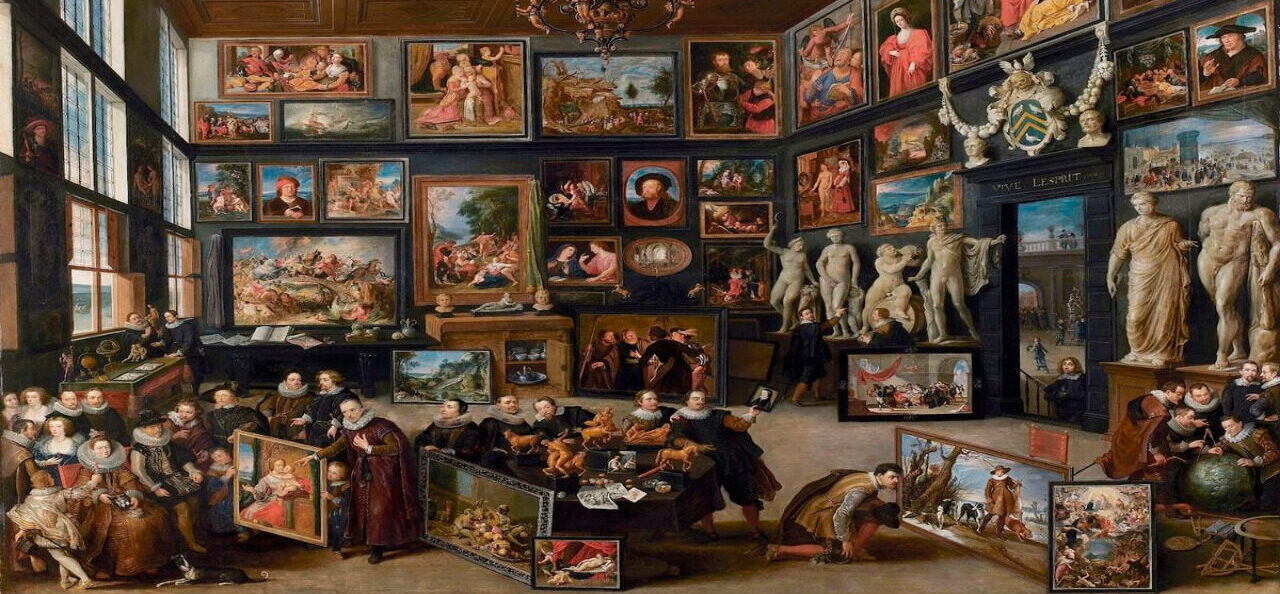
Flowers have been a popular subject for centuries, symbolizing everything from life’s fleeting nature to divine purity. While the Renaissance saw detailed botanical renderings and still-life floral arrangements, modern art ushered in a more abstract, expressive treatment of blooms. Artists began exploring not just how flowers looked, but what they meant emotionally, politically, and spiritually.
Modern Art’s Reinterpretation of Floral Themes
With the arrival of modernism in the late 19th and early 20th centuries, artists like Claude Monet and Vincent van Gogh laid the groundwork for interpreting flowers through personal vision rather than strict realism. Monet’s water lilies, for instance, used soft brushwork and natural light to evoke tranquility and reflection. Van Gogh’s sunflowers, meanwhile, pulsed with vibrant, impassioned energy.
Moving into the 20th century, the floral theme evolved. Georgia O’Keeffe, one of the most iconic American modernists, famously magnified flowers on massive canvases. Her works challenged the viewer to see flowers not merely as decorative objects but as intimate, almost sensual experiences.
The Abstract and Conceptual Bloom
As abstract art gained ground, flowers became less about representation and more about emotion and idea. Artists like Cy Twombly used flowers as loose references, with chaotic lines and vibrant color smears standing in for the chaos and beauty of nature. Andy Warhol’s pop-art flowers removed organic depth in favor of mass-produced flatness, questioning the commercialization of beauty and nature.
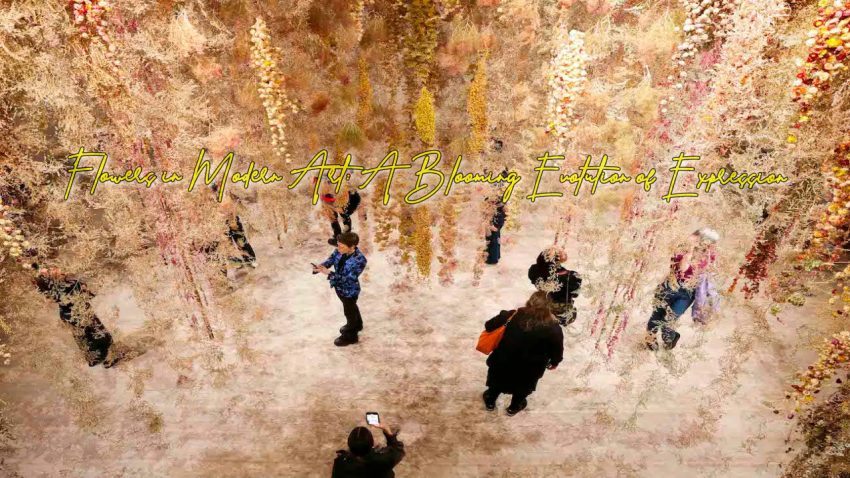
Even conceptual and installation artists have embraced floral motifs. From Yayoi Kusama’s polka-dotted flower sculptures to Rebecca Louise Law’s suspended gardens made of real, decaying blooms, flowers in modern art are now as much about experience and space as they are about color or form.
Why Flowers Still Matter
In an age of digital screens and fast-paced living, the presence of flowers, whether real or rendered, remains grounding. They offer a pause, a connection to the earth and its cycles. This emotional and symbolic resonance makes them an enduring subject in art. Flowers can still shock, soothe, provoke, or enchant, depending on how they’re portrayed.
Their resurgence in modern and postmodern artworks reveals our persistent fascination with life, impermanence, and beauty. And while visiting a Tarrytown florist might seem worlds away from stepping into a gallery, both offer encounters with beauty that speak to our emotions in powerful ways.
Flowers and the Digital Canvas
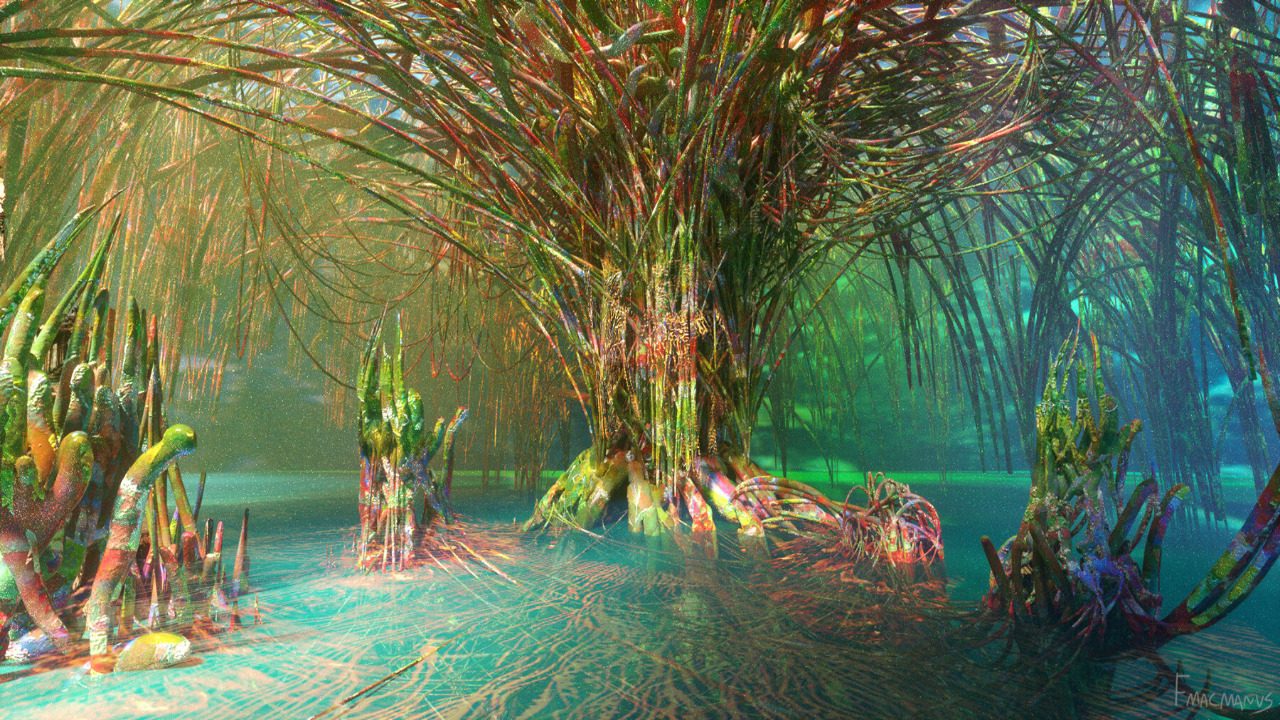
With the rise of digital art and AI-generated imagery, flowers have found a new dimension. Artists now create floral works using software and machine learning, pushing the limits of how we perceive organic forms. This new wave still draws on the flower’s universal symbolism, but adds commentary on technology, sustainability, and the human-nature relationship.
From oil paintings to immersive installations and digital masterpieces, flowers in modern art reflect an evolving but continuous love affair with nature’s most evocative muse. As you admire a fresh bouquet or a vibrant floral piece in a contemporary museum, you’re participating in a centuries-old dialogue between art, beauty, and the ephemeral.
Flowers in modern art are more than subjects, they are storytellers, metaphors, and mirrors of human emotion. And in a constantly changing world, they remain a steadfast source of inspiration, color, and creative bloom.