
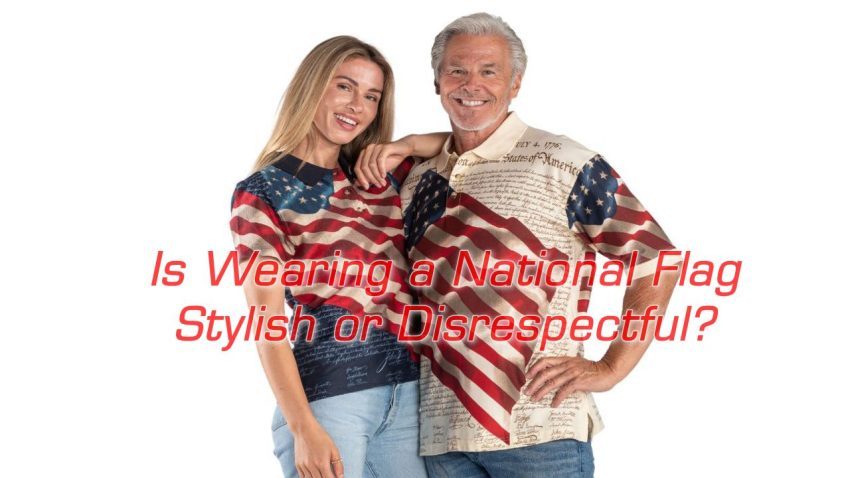
Hey, quick question: Have you ever worn a national flag as part of your outfit? Maybe on the Fourth of July, draped over your shoulders like a cape? Or as a trendy patch on your denim jacket? It’s a bold look, for sure. But is it stylish—or just plain disrespectful?
Fashion has a way of turning anything into a statement. And national flags? They’re no exception. Some people see flag apparel as a way to show pride. Others say it cheapens something sacred. So, where do we draw the line?
Let’s dig into it.
A Symbol of Pride—or Just a Trend?

Wearing a flag isn’t a new idea. Athletes do it after a big win. Celebrities rock flag-themed outfits on stage. Even high-fashion designers have played with the idea. Remember Ralph Lauren’s American flag sweaters? Huge in the ‘90s. And it’s still going strong.
For many, wearing a flag is about identity. It’s a way to say, “Hey, I’m proud of where I come from.” Think of the Olympics. Athletes wrap themselves in their country’s flag all the time. Nobody complains. Why? Because it’s a moment of national pride.
But then there’s the other side. Some argue that turning a flag into a fashion statement waters down its meaning. After all, a national flag represents history, sacrifice, and culture. Is it really okay to print it on a bikini? Or use it as a beach towel? That’s where things get tricky.
The Fine Line Between Respect and Fashion
Context matters. A lot. There’s a difference between wearing a flag respectfully and using it as a cheap design element. Imagine this: Someone wears a flag-themed shirt to a patriotic event. Cool. Now, picture someone sitting on a flag-print picnic blanket. Not so great.
The how and where make all the difference. Draping a flag over your shoulders at a rally? That might be powerful. Wearing flag-themed socks that get stepped on all day? That could feel a little off.
Different countries have different rules, too. In the U.S., the Flag Code offers guidelines—but no legal punishments. It suggests that flags should never be worn as clothing. But does that mean all flag-themed outfits are wrong? Not necessarily. Fashion, after all, is about personal expression.
Military Flags and the Respect Factor
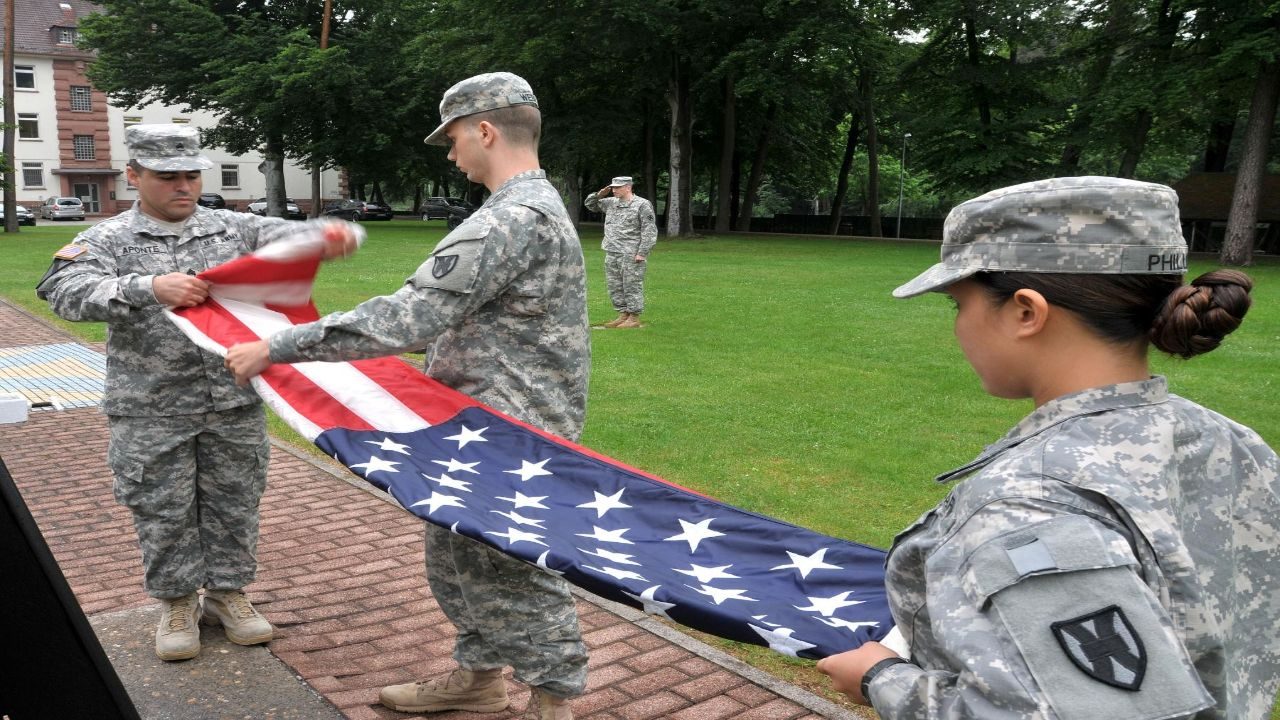
Now, let’s talk about military flags. They carry an even deeper meaning. Unlike national flags, which represent entire countries, military flags symbolize service, sacrifice, and tradition. The Marine Corps flag, for example, holds special significance for those who serve. Many display it with pride in their homes, offices, or even on their clothing.
But here’s the question: Is wearing a military flag as fashion different from wearing a national flag? Some say yes. A Marine Corps veteran wearing a flag patch? That’s a sign of honor. A fashion brand slapping a military flag on a random hoodie? That might feel out of place.
So, if you want to wear military insignia, make sure it’s done with respect. And maybe—just maybe—leave it to those who’ve actually served.
Marketing, Money, and the Flag Debate
Brands love a good patriotic moment. Every year, especially around national holidays, stores fill up with flag-themed everything. Shirts. Hats. Even swim trunks. It’s smart marketing. People love to show patriotism, and companies love to sell it.
But here’s the thing: Not every product feels respectful. A well-made jacket with a subtle flag design? Fine. A disposable paper plate printed with a flag that ends up in the trash? Probably not the best look.
This is where intent matters. Is the design thoughtful? Or is it just using patriotism to make a quick buck? People can usually tell the difference.
Where Do We Go From Here?
So, is wearing a national flag stylish or disrespectful? The answer? It depends. Context, intent, and design all play a role.
If you’re wearing a flag to show pride and respect, chances are you’re in the clear. If it’s just a trendy print with no real thought behind it? That’s when it gets murky.
At the end of the day, fashion is personal. But so is patriotism. The key is to strike a balance—one that honors the meaning behind the flag while still allowing personal expression. If you’re unsure? Maybe take a step back and ask: Would this feel right to someone who truly values what this flag represents?
What do you think? Is flag fashion a bold statement or a step too far? Let’s keep the conversation going.