
Cosmetic injectables like Botox and fillers have become increasingly popular, alongside the enduring popularity of tattoos. But what happens when you want both? Can you safely combine body art with cosmetic treatments like Botox or fillers? In this article, we’ll explore whether tattoos and injectables can coexist, how they interact, and what precautions you should take. If you’re considering getting both, it’s always a good idea to consult with professionals at this website who can provide expert advice on cosmetic treatments. Keep reading to learn everything you need to know about mixing tattoos and injectables safely.
How Botox and Fillers Work
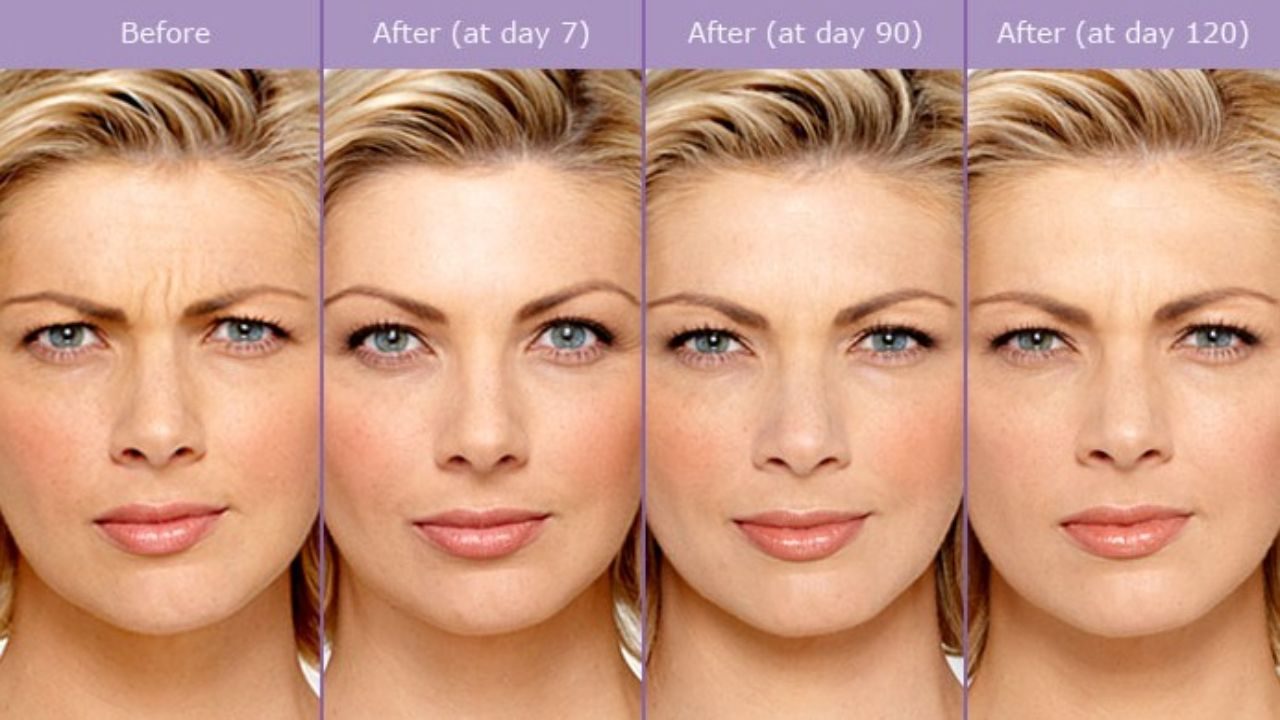
Before diving into whether tattoos and injectables mix, it’s important to understand how Botox and fillers work. Botox is a neurotoxin used to relax muscles, reducing the appearance of fine lines and wrinkles. It is typically injected in areas such as the forehead, around the eyes, and between the eyebrows.
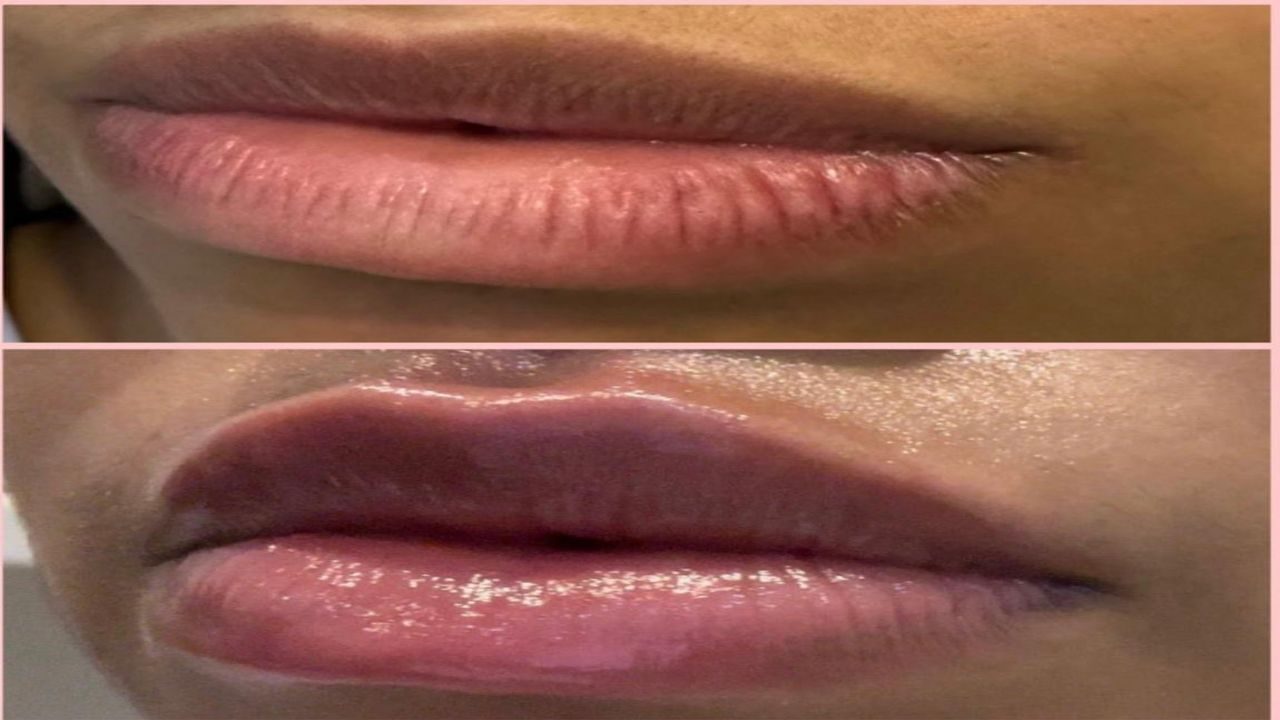
Fillers, on the other hand, add volume to areas of the face that may have lost it due to aging. Common areas for fillers include the lips, cheeks, and under the eyes. Fillers are made of materials like hyaluronic acid, which naturally occurs in the body. Both treatments are minimally invasive and produce temporary effects that last anywhere from a few months to a year.
Tattoos: A Different Kind of Body Modification
Tattoos are a form of body art where ink is injected into the dermis layer of the skin. Once healed, tattoos are permanent. Tattooing is a more invasive procedure than Botox or fillers, as it involves puncturing the skin repeatedly to deposit ink. This means that the skin needs time to heal properly to avoid infections or complications.
Given that both tattoos and injectables involve the skin, understanding their interaction is crucial.
Can You Get Botox or Fillers Over a Tattoo?
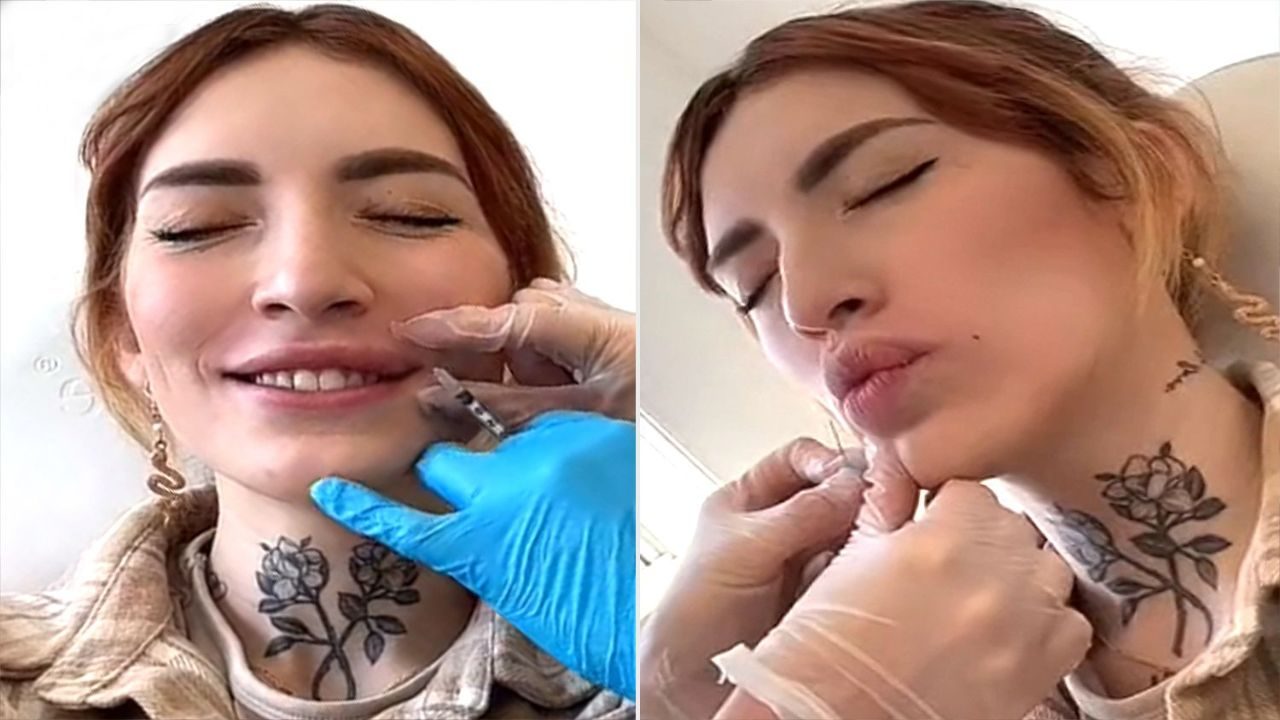
One of the most common questions people ask is whether it’s safe to get Botox or fillers over an existing tattoo. In general, yes, it is possible to receive Botox or filler injections in areas where you have tattoos. However, there are a few things to keep in mind.
First, tattooed skin may react differently compared to non-tattooed skin due to the presence of ink. The needle for Botox or fillers is much finer than a tattoo needle, and injectables are placed deeper into the skin. However, there is always a small risk of irritation or an adverse reaction because the tattooed skin has been previously damaged during the tattooing process.
Second, some tattoo artists and cosmetic experts recommend waiting a certain period after getting a tattoo before receiving injectables. This allows the skin to fully heal and reduces the risk of complications. If the area is still healing, it’s best to avoid further stress on the skin.
Precautions to Take When Combining Tattoos and Injectables
If you plan to have both tattoos and cosmetic injectables, taking certain precautions can ensure a smoother and safer experience.
Timing Is Key
It’s important to consider the timing of your treatments. If you’re planning to get both a tattoo and injectables in the same area, give your skin time to heal fully between procedures. Typically, it’s recommended to wait at least two to three weeks after getting a tattoo before considering Botox or fillers. Similarly, if you’re getting injectables first, wait for any swelling or bruising to subside before getting tattooed over the area.
Choose Your Injection Sites Carefully
If you’re getting a tattoo and Botox or fillers in different areas of the body, there’s generally no issue. However, if you plan to get a tattoo over an area where you’ve had injectables, be cautious. The movements of tattooing could cause the fillers to move or distort, especially if the filler has not fully settled. Speak with your tattoo artist and cosmetic provider to make sure the procedures won’t interfere with each other.
Consult a Professional
Always consult with both your cosmetic injector and your tattoo artist before combining treatments. Professionals can guide you on the best approach and timeline for safely undergoing both procedures. They’ll also ensure that you’re aware of any risks specific to your skin type and the areas being treated.
What to Watch Out For? Possible Side Effects
While Botox, fillers, and tattoos are generally safe when performed by licensed professionals, side effects can still occur, particularly when mixing the two. Here are some potential side effects to be mindful of:
Infection
Tattoos require proper aftercare to prevent infections, and injecting Botox or fillers into recently tattooed skin increases the risk of infection. Make sure the tattooed area is fully healed before introducing any additional procedures.
Skin Sensitivity
Both tattoos and injectables can cause skin irritation. If you notice redness, swelling, or discomfort in the treated area, it’s essential to consult with a medical professional to rule out any complications.
Changes in Tattoo Appearance
While uncommon, fillers can sometimes stretch or alter the appearance of a tattoo, particularly if the tattoo is on a part of the face or body that has lost volume. This is something to discuss with your cosmetic injector beforehand.
Final Thoughts: Can You Safely Combine Tattoos and Injectables?
Ultimately, it’s possible to combine tattoos and cosmetic injectables safely, but timing and professional consultation are key. Always ensure that you allow ample healing time between procedures and communicate with both your tattoo artist and cosmetic provider about your plans.
Interested in learning more about cosmetic treatments or booking a consultation? Visit the professionals at Clarion for expert advice and to ensure a safe experience tailored to your needs.
By taking the right precautions and following expert recommendations, you can safely enjoy both your body art and cosmetic enhancements, achieving the look you want without compromising your health.