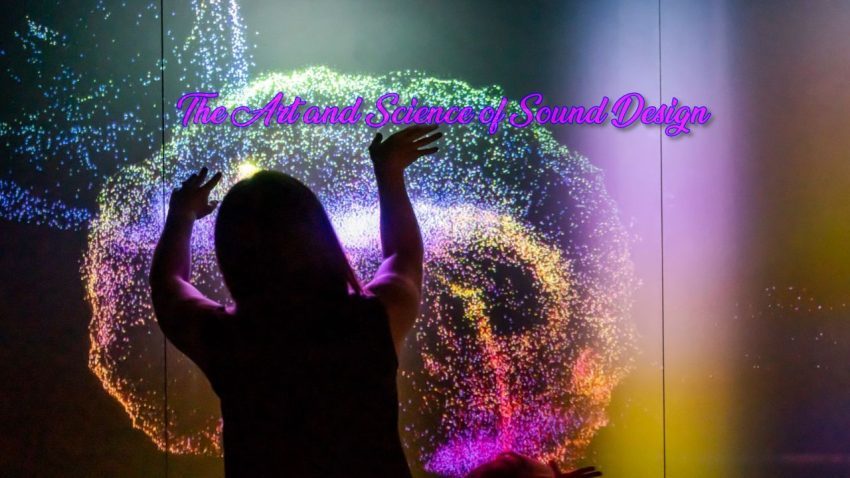
Sound design often works behind the scenes, yet its impact is hard to miss. Whether you’re watching a film, playing a video game, or listening to a podcast, sound shapes how you experience the story. It adds mood, rhythm, and emotion. In the best cases, it makes you feel like you’re part of the world on screen—or even inside someone else’s head.
You don’t need to be an audio engineer to notice great sound design. Just listen to the details. A creaking floorboard in a horror movie. The whoosh of a lightsaber. The hum of a quiet city night. These are not accidental. Sound designers build each layer carefully. Some start their learning journey by browsing tutorials or joining online courses through any website that offers creative tools.
Creativity and Technology
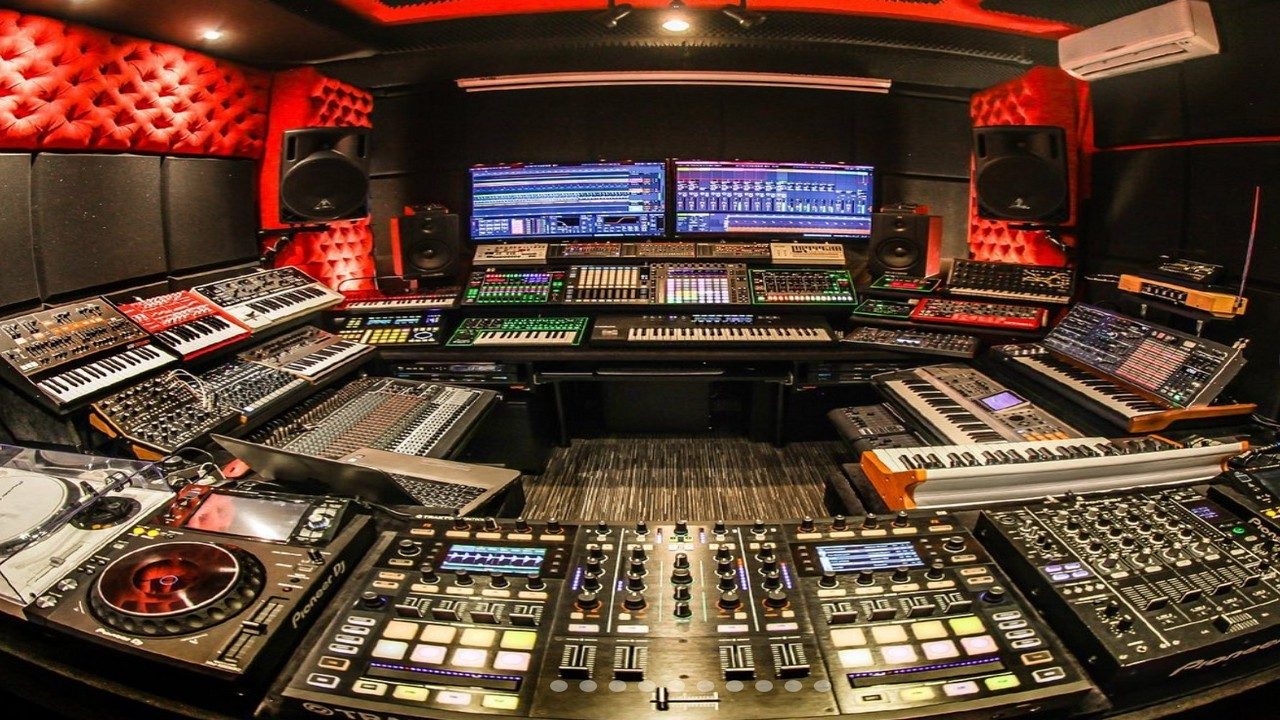
Sound design is a unique mix of art and science. The artistic side is about storytelling and emotion. Designers use sound to set the tone or shift the mood. The science involves tools, equipment, and audio software. Knowing how to record, edit, and mix sound is just as important as having a creative ear.
Many sound designers record real-world sounds using portable gear. It could be wind in the trees, footsteps on gravel, or traffic in the distance. These raw clips often become the foundation for completely new sound effects. Once recorded, the real magic happens in post-production. Tools like Logic Pro or Pro Tools let designers layer, tweak, and shape sounds into something memorable.
The Role of Timing and Collaboration
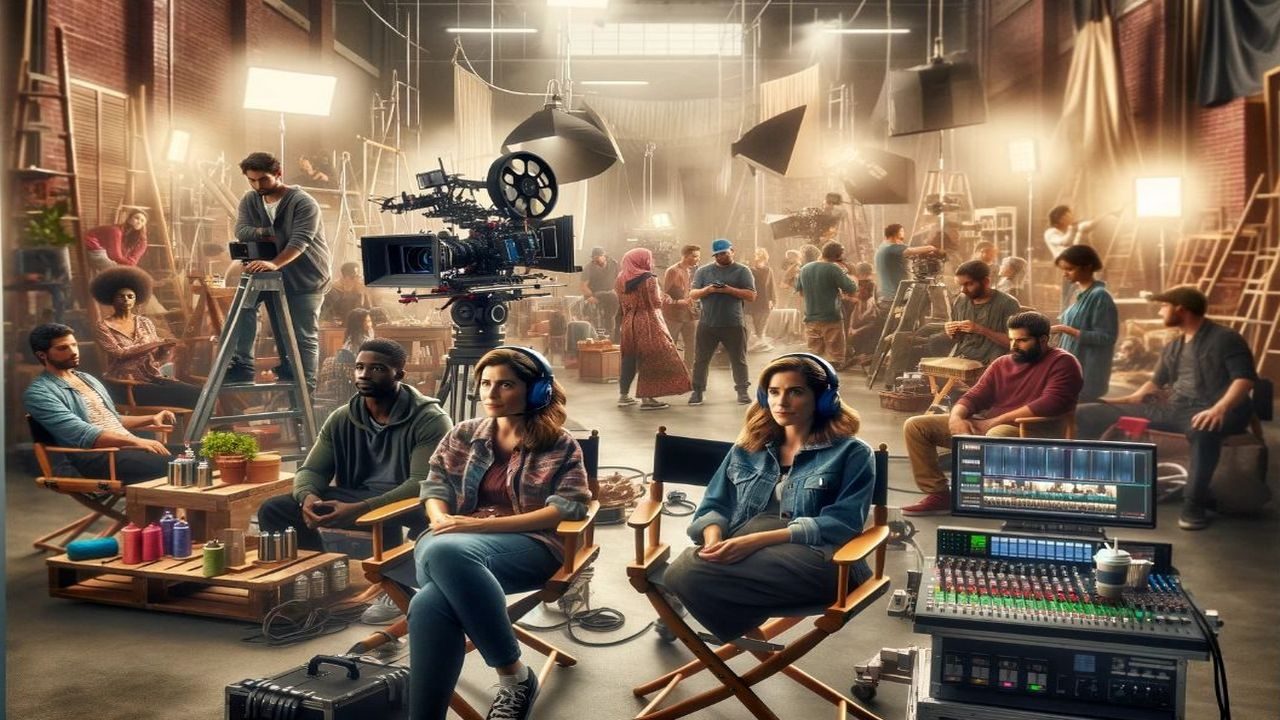
In sound design, timing is everything. A perfectly placed sound can pull you deeper into the story. But if it’s even a little off, it breaks the moment. That’s why designers work closely with video editors, animators, and game developers. Together, they align sound with visual cues, character actions, and mood shifts.
This work is rarely done alone. Sound design is a team sport. Designers often collaborate with composers, mixers, and technical leads. Everyone plays a part in creating a seamless final product—whether it’s for film, TV, games, or immersive media like VR.
How to Start Learning Sound Design?
If you’re curious about sound design, start by listening more carefully. Notice how different environments sound. Pay attention to quiet moments in films or games. Sometimes, silence is just as powerful as noise.
From there, experiment. Many audio tools are free or inexpensive. With a simple mic and editing software, you can start practicing at home. Try layering everyday sounds to create something new. Watch tutorials. Join forums. Build a small portfolio. And most importantly—keep listening. That’s where all good sound design begins.
Sound design is more than just a technical skill. It’s a form of storytelling. When done well, it makes everything feel more real, more emotional, and more alive. It’s where creativity meets precision—and where every sound has a purpose.