

Ever scrolled through a glossy magazine and wondered how models achieve that flawless, almost mirror-like skin? The truth is, it’s not all lighting or makeup. The secret lies in skin treatments designed to create what’s often called “glass skin”—a smooth, dewy complexion with zero visible pores. Achieving this look isn’t just about skincare products. It’s about a combination of the right treatments and a little expert guidance.
Curious how to get that lit-from-within glow for your editorial shoots? Keep reading. We’re diving into the role skin treatments play in creating the perfect canvas for high-definition photography.
What Is Glass Skin, and Why Does It Matter?

Glass skin is more than a trend. It’s a skincare goal that prioritizes a radiant, healthy complexion. Think of it like this: if your skin were a pane of glass, would it be streak-free and gleaming? For editorial shoots, achieving this look is crucial. Every detail is magnified under the camera lens. Uneven texture, dullness, or blemishes can detract from the final shot.
For models and influencers, glass skin can make all the difference. It acts as a perfect base for makeup, allowing the foundation to glide on seamlessly. More importantly, it reflects light beautifully, giving that glow every photographer dreams of capturing.
Why Treatments Beat DIY Skincare Alone
Let’s face it. A 10-step skincare routine might help, but it can only go so far. Achieving true glass skin often requires professional-grade treatments. Why? Because these treatments target deeper layers of the skin that creams and serums simply can’t reach.
For instance, hyperpigmentation treatment is a go-to for evening out skin tone and reducing dark spots. This step is especially important for editorial shoots, where even the smallest discoloration can stand out under bright lights. Many clinics offer solutions tailored to individual needs, ranging from chemical peels to laser therapies. These treatments don’t just mask imperfections—they fix them.
The Best Skin Treatments for That Editorial Glow
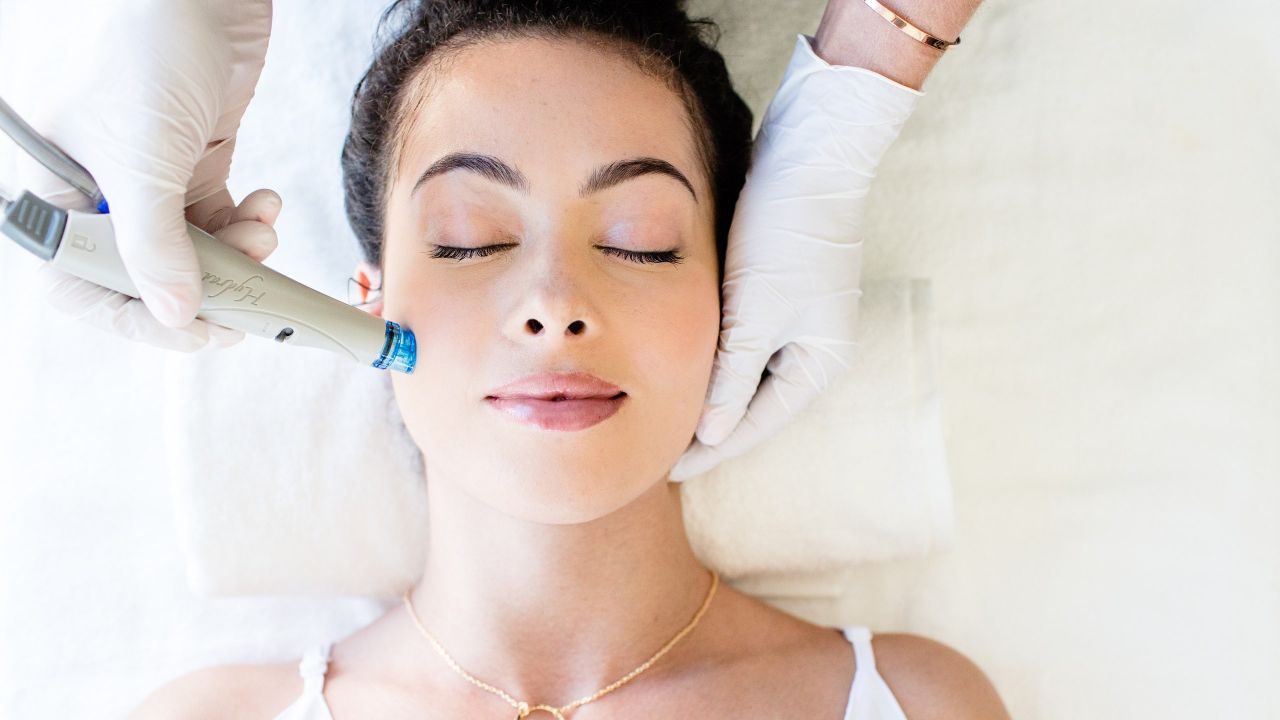
So, what treatments are key to achieving glass skin? Here’s a breakdown of the top picks:
Chemical Peels
Think of chemical peels as hitting the reset button on your skin. These treatments exfoliate away dull, dead cells, revealing fresher, smoother layers beneath. A light peel can instantly boost radiance. A deeper peel? It tackles fine lines and stubborn pigmentation. Perfect for when you’re prepping for a big shoot.
Microneedling
Microneedling might sound intense, but it’s a favorite for a reason. Tiny needles create micro-injuries, encouraging the skin to produce more collagen. The result? Plumper, firmer skin that looks fantastic on camera. The best part? It works wonders on texture, smoothing out those pesky bumps or scars.
HydraFacials
Need a glow in a hurry? HydraFacials are like a tall drink of water for your skin. These treatments cleanse, exfoliate, and hydrate all at once. Plus, they’re gentle enough to leave your face camera-ready immediately after. No downtime. Just dewy, luminous skin.
Prepping Your Skin for the Big Day
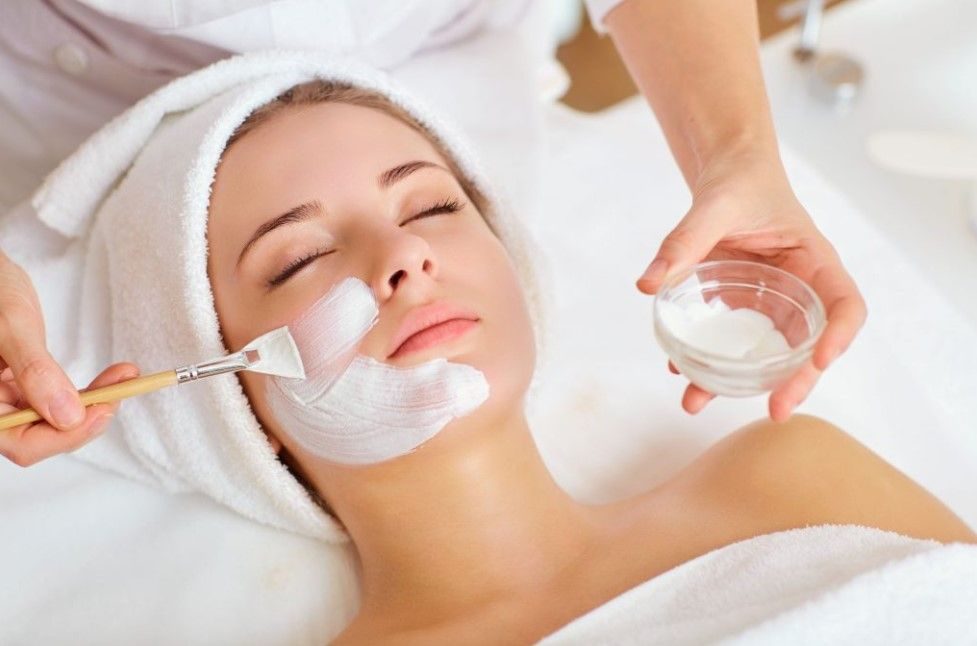
Treatments are just one part of the equation. For editorial shoots, timing is everything. You don’t want to schedule a peel or microneedling session the day before. Here’s why: some treatments can cause temporary redness or peeling as your skin heals and regenerates. Ideally, you’ll want to plan sessions at least a week in advance.
Another tip? Stick to gentle skincare products leading up to the shoot. Harsh exfoliants or new products can irritate your skin, undoing all that treatment magic. And don’t forget hydration. Drinking plenty of water makes a noticeable difference in how plump and glowing your skin looks.
Making Treatments Part of Your Routine
Glass skin isn’t just for special occasions. By incorporating regular treatments into your routine, you can maintain that editorial glow year-round. Think of it like maintaining a car. A single trip to the shop might fix the immediate issue, but regular tune-ups keep everything running smoothly.
Start with quarterly treatments and adjust based on your skin’s needs. And remember—consistency is key. Pairing professional care with a solid at-home routine (think gentle cleansers, serums, and sunscreen) will keep your skin looking its best.
Achieving that glass-skin look for editorial shoots isn’t as intimidating as it seems. With the right treatments and some thoughtful planning, anyone can create a flawless canvas. And the good news? These treatments don’t just help your skin look great on camera—they improve its health and resilience in the long run.
So, what’s your next step? Consider exploring options like hyperpigmentation treatment or booking a consultation with a trusted aesthetician. You might just find that glass skin is closer than you think.